Missions news – September 2026

Armenia

Sofik, a 95-Year-Old Woman, Can Count on Volunteers to Keep Warm this Winter

In the village of Akunk, volunteers help Sofik, a 95-year-old Armenian grandmother, by splitting and stacking her firewood so she can survive the harsh armenian winter.

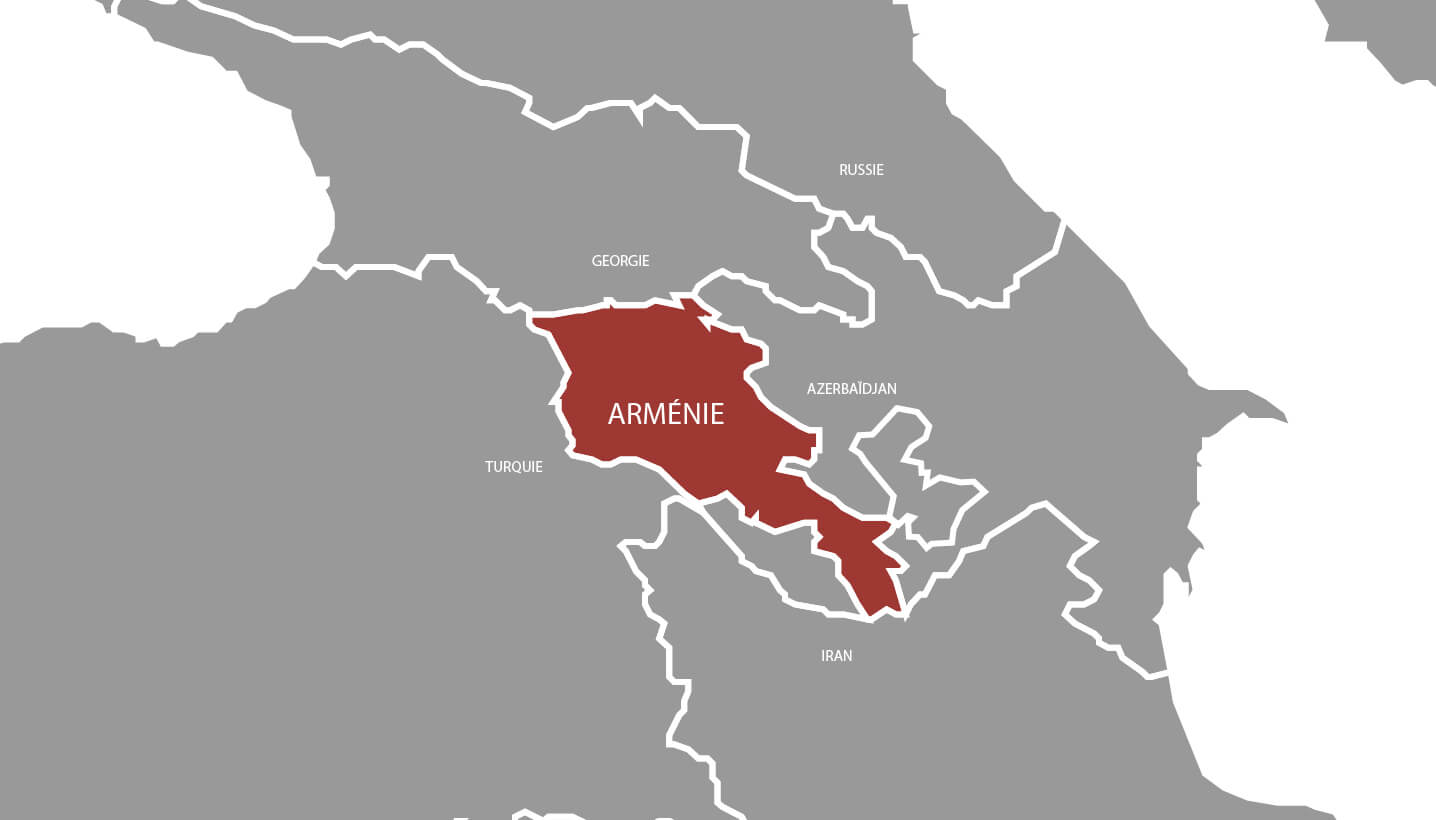
“Wednesday, September 2. We are between the banks of Lake Sevan and the first foothills of the Caucasus. Akunk, a village on the edge of Vardenis, in eastern Armenia. Mountains rise above the plain on every side. Just a few kilometers away, we can see the Azerbaijani border.

We leave the main road. The track becomes winding and bumpy, cut with ruts that the car struggles through in a cloud of dust. Stray dogs watch over the village, trotting along the stone walls before coming to sniff around the car. A few hens peck between the stones, and further on, an old man sitting on his doorstep watches us pass without a word.

The village itself is modest: a few dozen low houses of grey stone, and a shared well in the middle of a small square where two women chat as they fill their jerrycans. Here, summer is coming to an end.

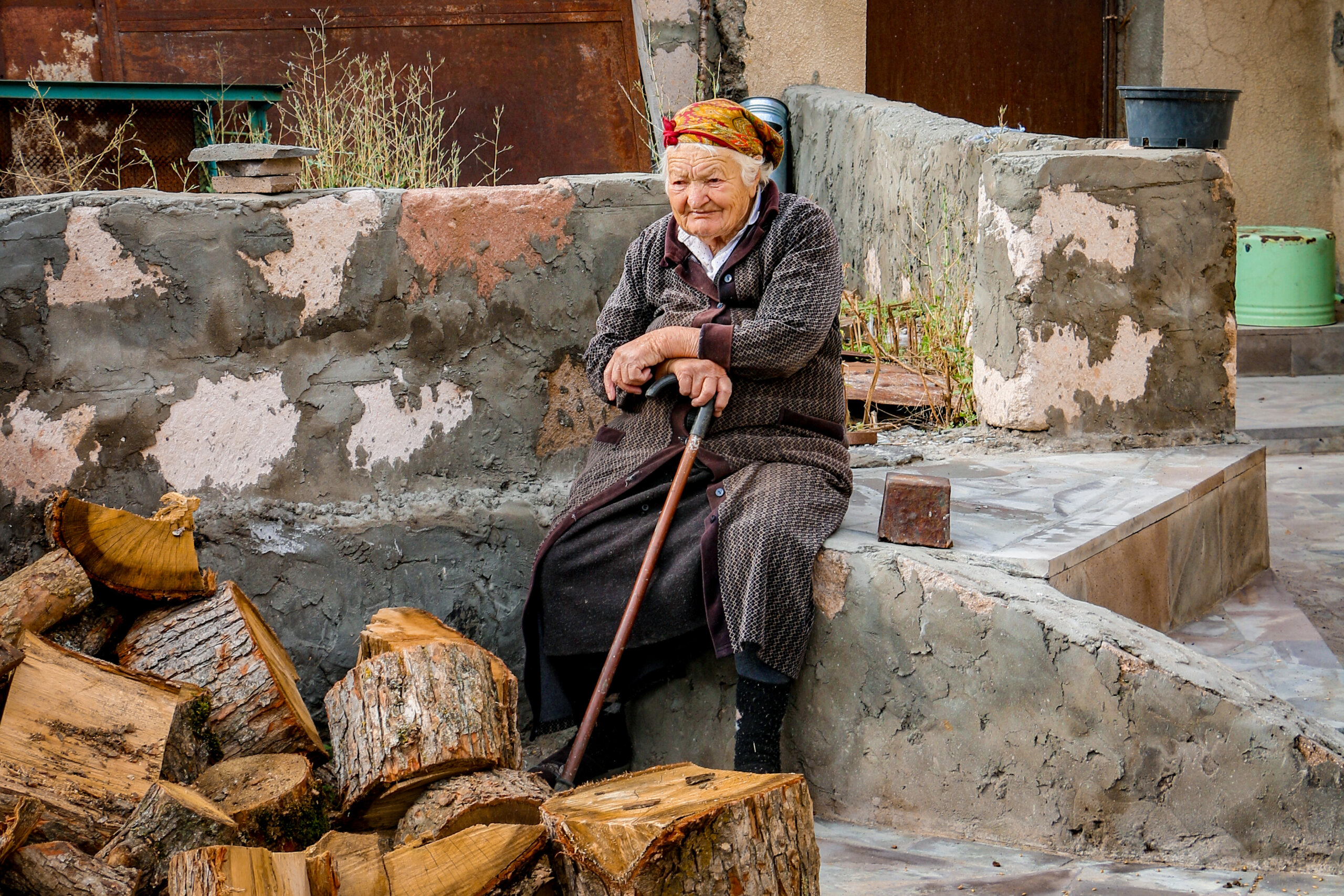
When we arrive, Sofik, a 95-year-old woman, greets us with big, warm hugs. Age has made her small, and I have to bend down to give her a hug. Her face is lined, with two small, bright, surprisingly lively eyes. She smells of cinnamon and coffee. She struggles to walk and leans on a cane, but there is a quiet strength in her bearing and in the way she speaks to us.

Sofik lives alone. Her children and grandchildren have left to build their careers in Yerevan, looking for a better future than the village could give them. That is why she needs help with the heavy work of looking after her home. Only a few years ago she did it all herself, and now she has to hand it over, not without a hint of wounded pride.

She explains the task for the day: a pile of wood to split and store under cover so she can heat her home this winter. The wood has been lying in a heap for several weeks, waiting for enough hands to deal with it.

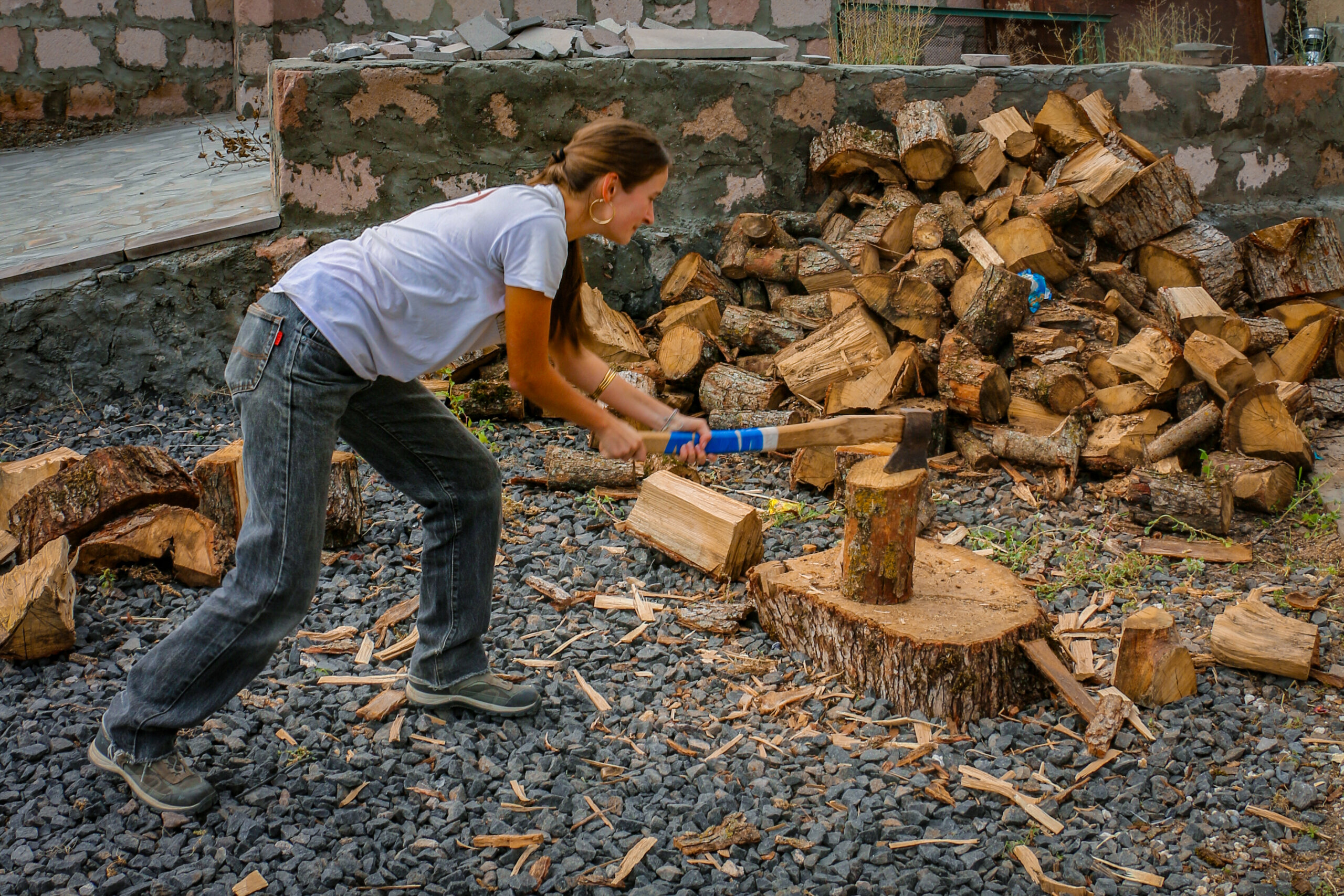
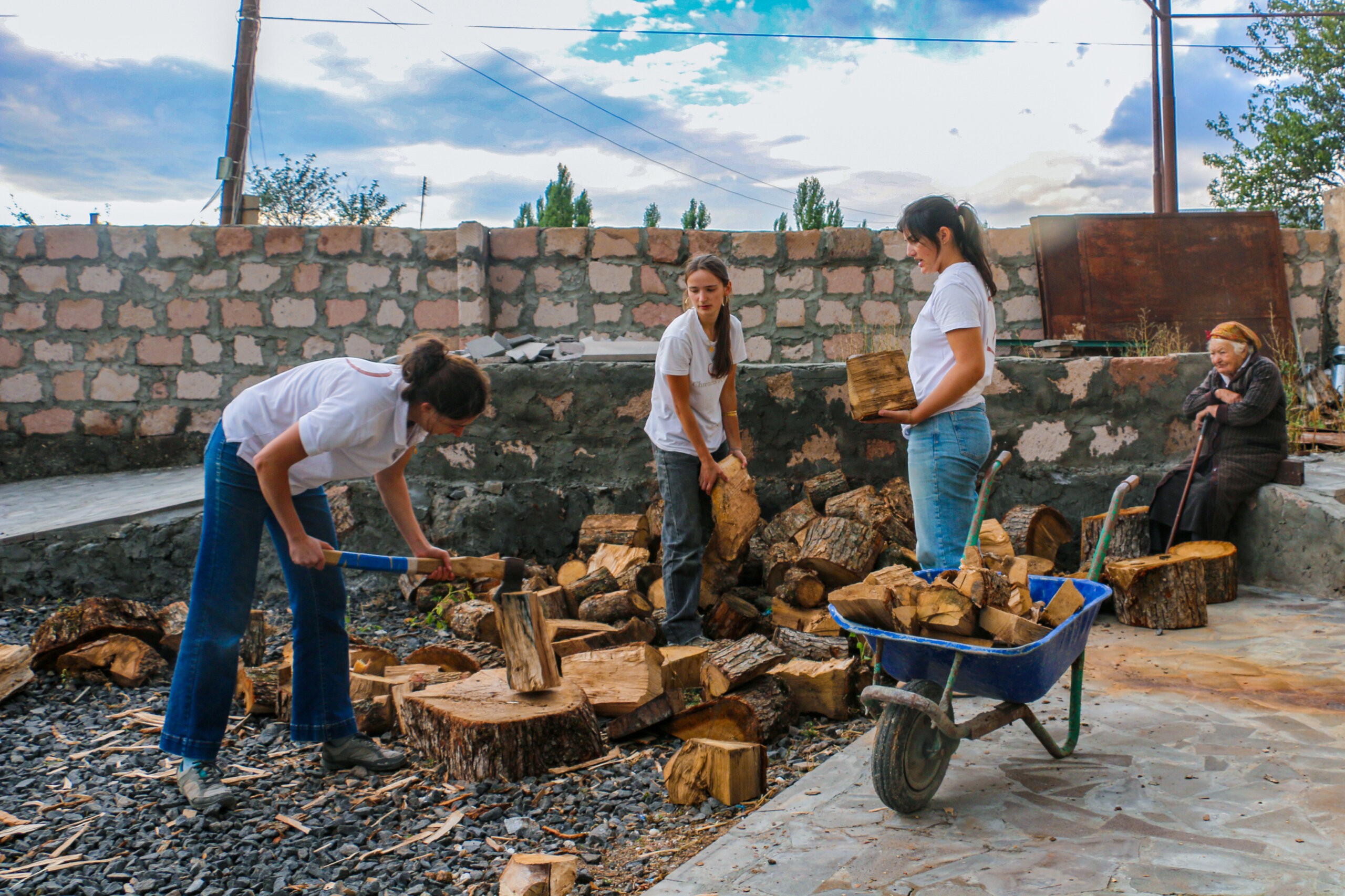
We get to work. The air is heavy and the sun is strong. I grab the axe and swing a first time, then a second. The wood splits, releasing a familiar smell of fresh wood and metal. The work is physical and tiring, so we take turns: some split the logs, others gather them into piles, others carry them.

Sofik watches us from a log overlooking the yard, like the lady of the house. From time to time she calls out a few words in Armenian that we don’t understand, but her tone leaves no doubt about the meaning: encouragement, or perhaps an amused comment on our clumsy axe technique.

The split woods are then carried to a barn, out of the damp. The floor is packed earth, and the smell of dry wood mixes with that of the hay stored in one corner. Each armful we set down makes the stack against the back wall a little bigger.

The hours go by. The pile in the yard shrinks while the one in the barn grows. The trips back and forth get faster. All we hear is the steady sound of the axe on the wood, broken now and then by a burst of laughter or a joke called across the yard.

Despite her cane and her difficulty walking, Sofik makes her way around her garden and vegetable patch looking for small fresh cucumbers, which she hands to us during well-earned breaks.

She watches us work, satisfied, nodding from time to time. She hardly smiles, but we can see real gratitude in her eyes.

By around 5 p.m., the pile of wood in the yard is gone and the barn has a neat wall of wood, enough to last all winter. We gather the last of the tools. Our hands are covered in splinters and dust, but no one thinks of complaining. Sofik walks around the barn one last time and runs her hand over the stacked logs as if to check how solid they are. Then she turns to us with a satisfied nod.

Before leaving, we say goodbye to her one last time. We don’t have the words to understand each other, but we have our gestures. Sofik hugs each of us in turn, with the same warm embraces as when we arrived. We wave to her one last time before getting back in the car.

The sun is starting to sink behind the mountains as we set off. Sofik stays on her doorstep, leaning on her cane, and waves to us until the car disappears around the first bend.

That day in Akunk, a few cubic meters of neatly stacked wood in a barn also meant the certainty that this woman will spend the winter a little less alone and a little less worried.”


IRAQ

Rebuilding After the Turkish Strikes

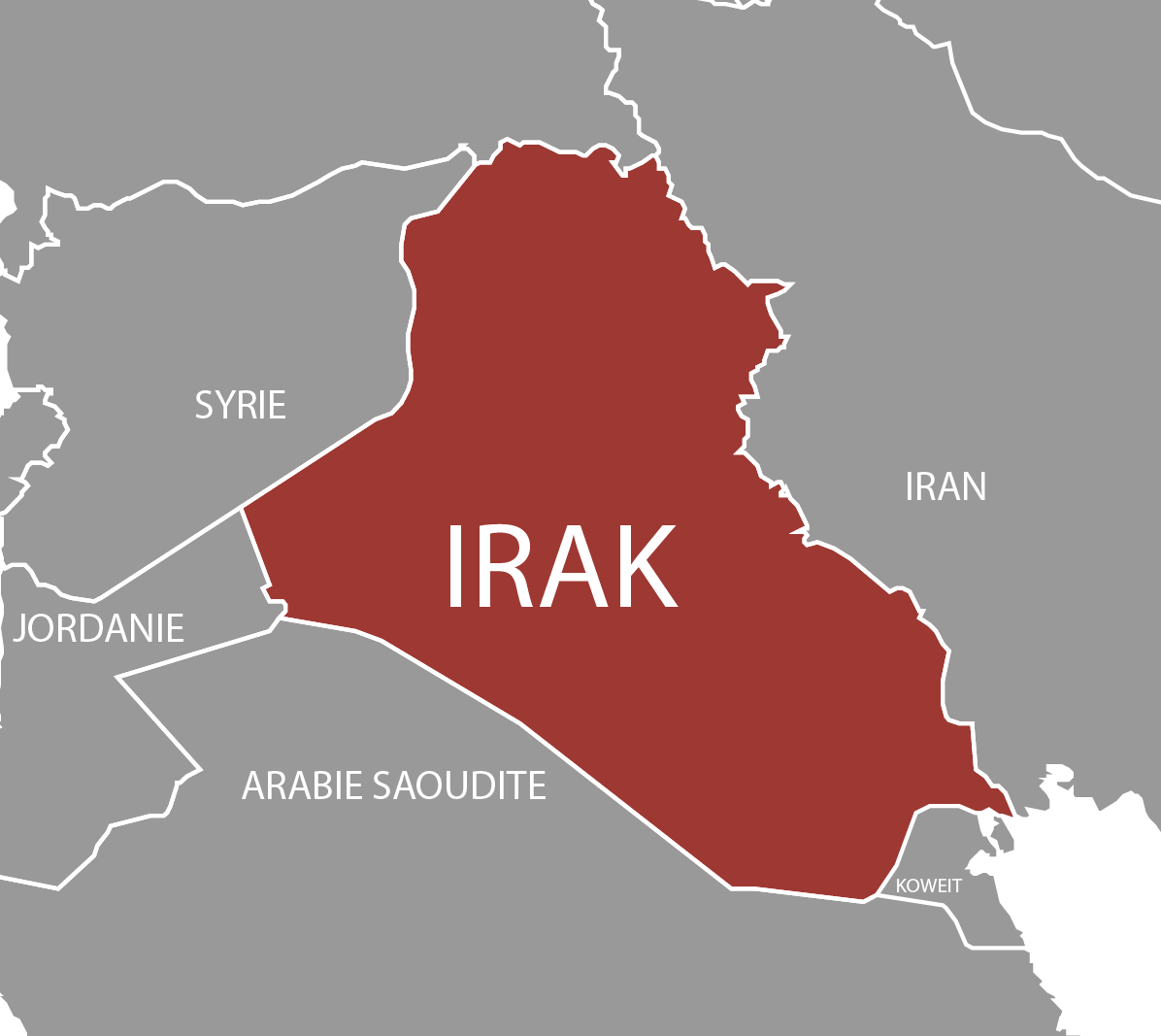
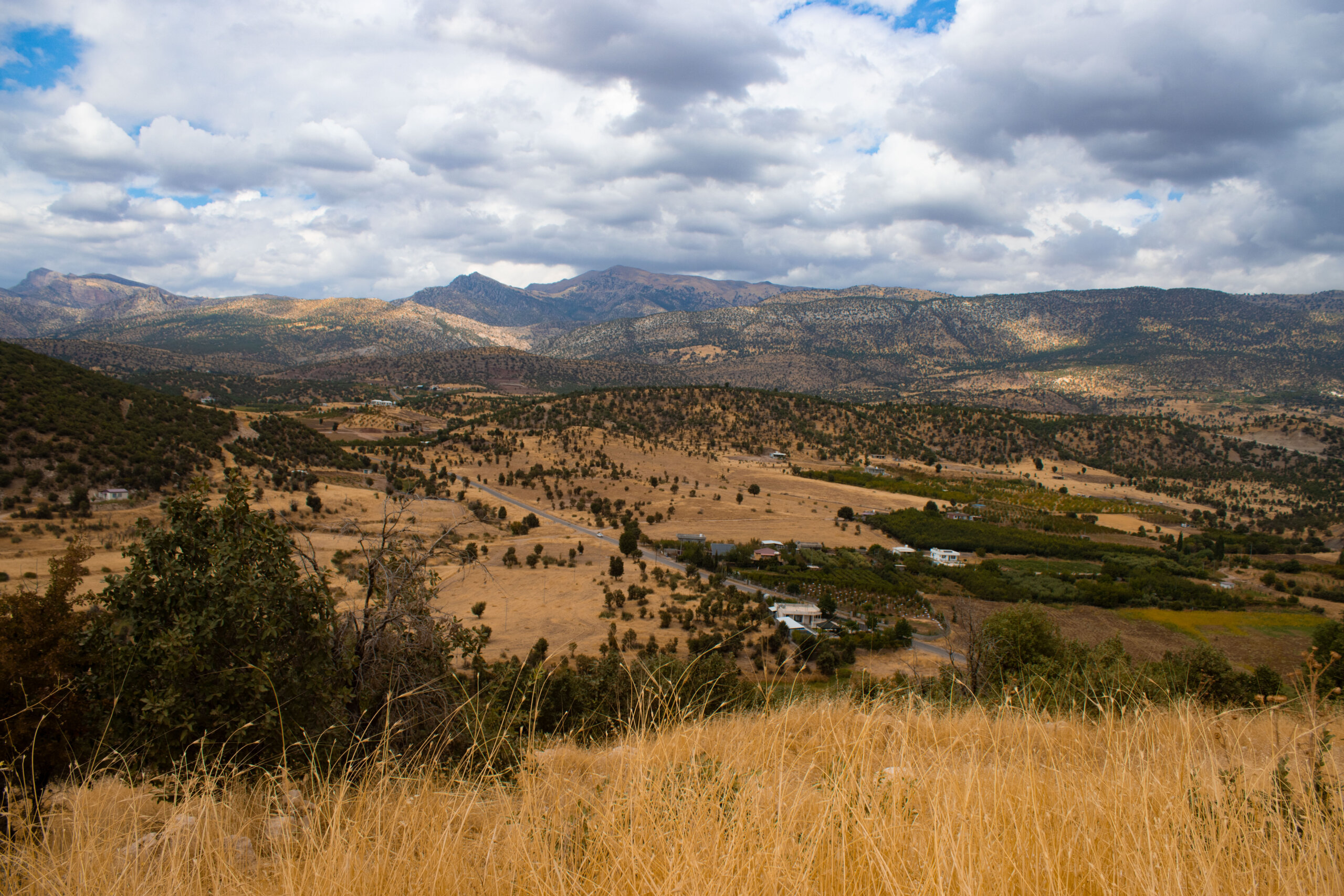
Antonin Dubois, head of mission in Iraq, and John Dakali, project manager, visit the construction site of a new water supply system in Miska, a small Assyrian village in the Barwari Valley, tucked into the mountains of Iraqi Kurdistan, just a few kilometers from the Turkish border.

“After nearly two hours on the road from Duhok, on winding tracks with many Kurdish checkpoints, we pass several Turkish military convoys and soldiers posted along the road. The fighting that directly hit Miska seems to be over, but the region is still deeply marked by the years of conflict between Turkey and the PKK, especially between 2019 and 2024.

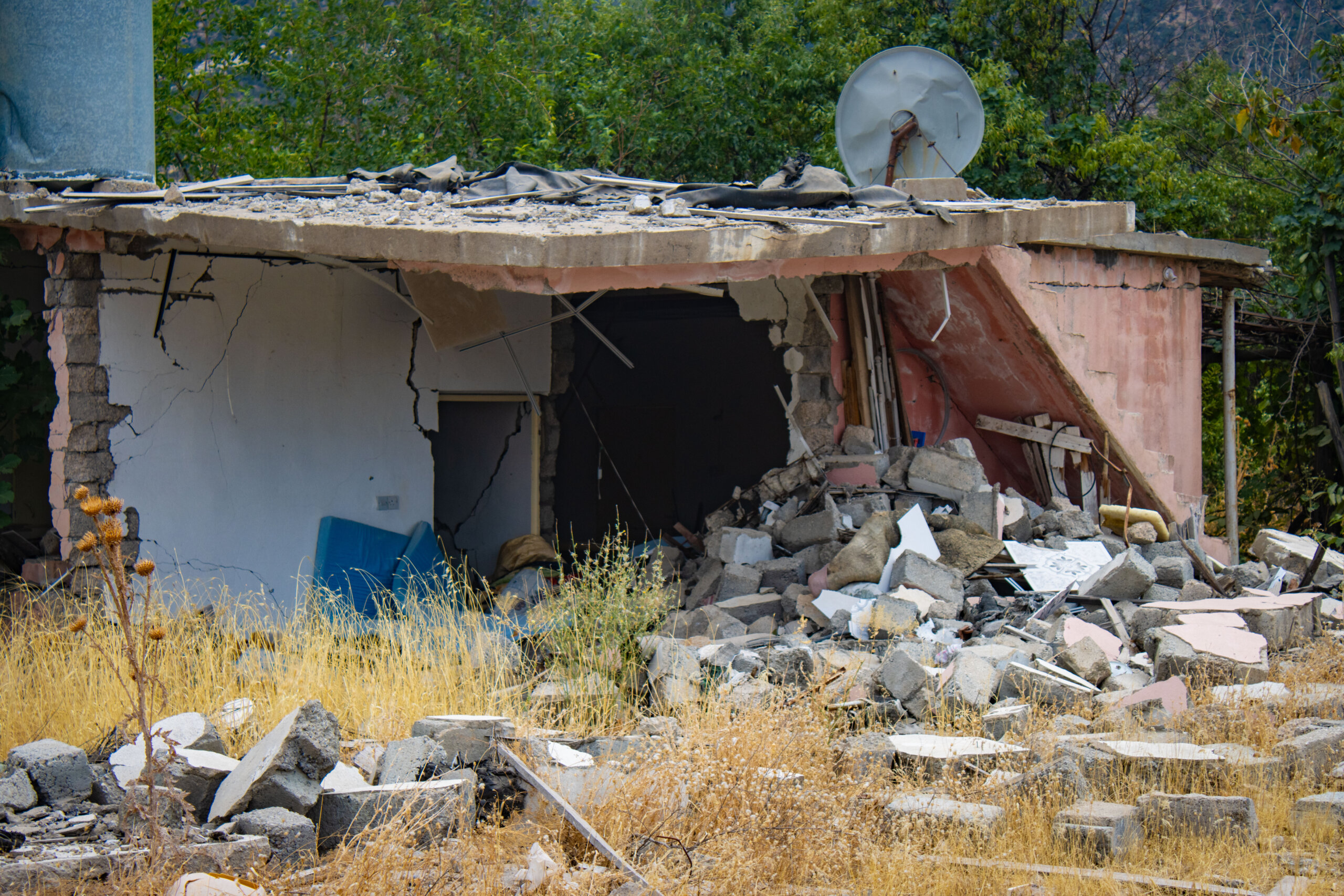
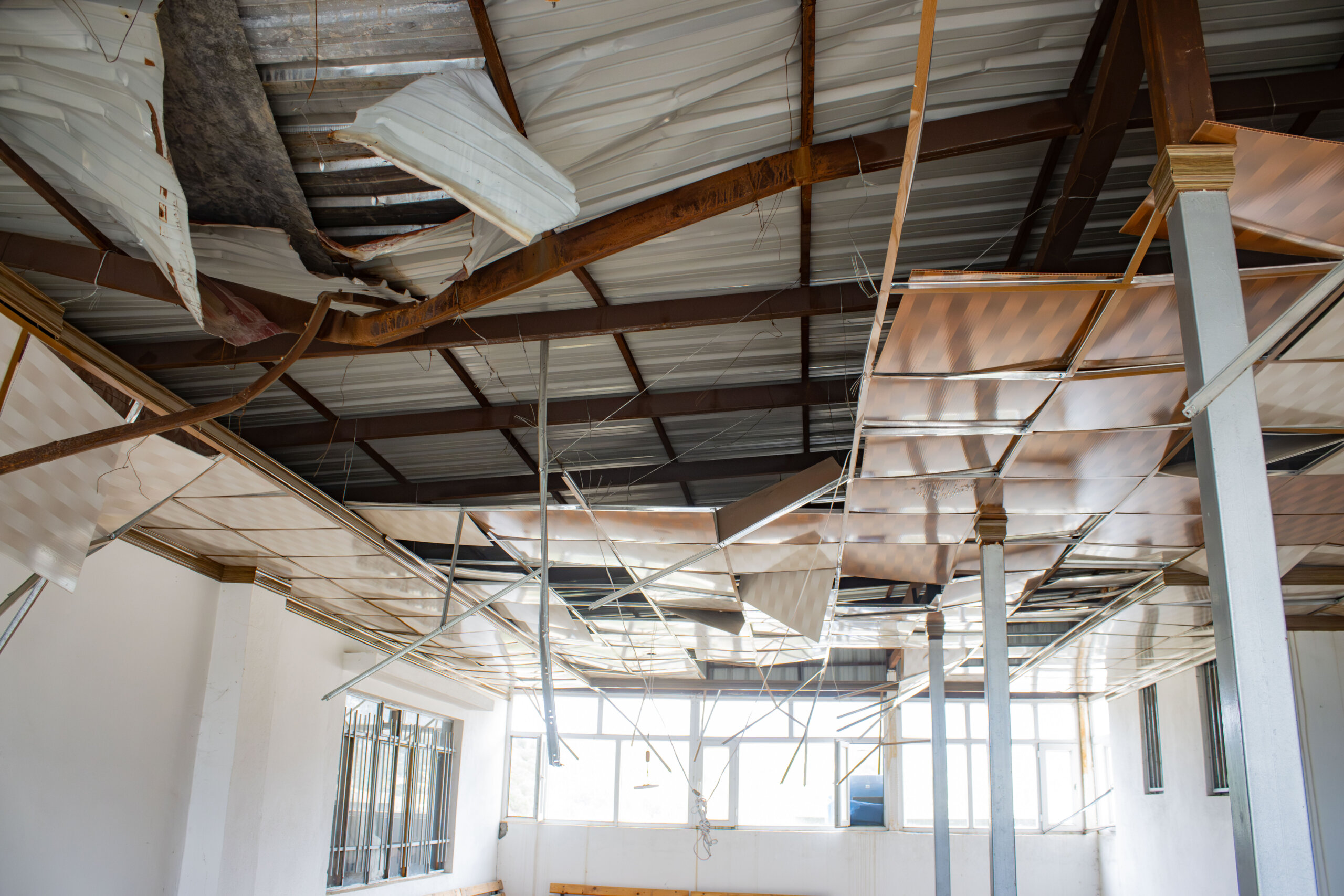
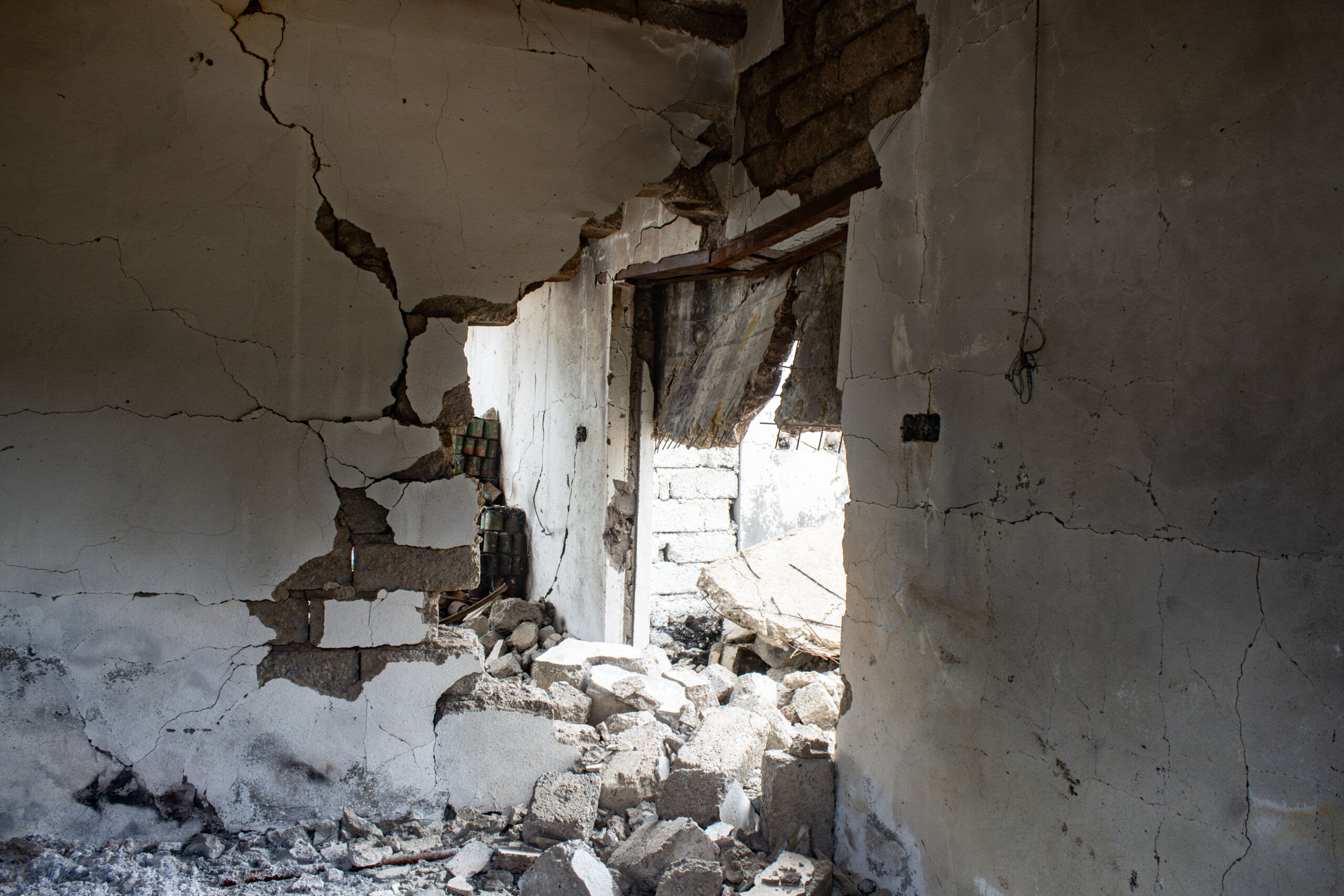
During that period, Miska paid a heavy price. PKK fighters moved illegally into homes belonging to the village’s Christian families, turning their houses into positions at the heart of the conflict. The Turkish army then entered the village, often making no distinction between PKK positions and the homes of the residents, who had already fled. According to villagers, some houses were set on fire by Turkish soldiers to destroy equipment left behind by the PKK, while others were damaged or destroyed by tanks. Rockets even hit the church hall.

The fighting is over, but its consequences remain. Today, 23 families are still waiting to return to Miska. A less visible consequence of the war still keeps them away: the lack of water. The old network was damaged and can no longer be used.

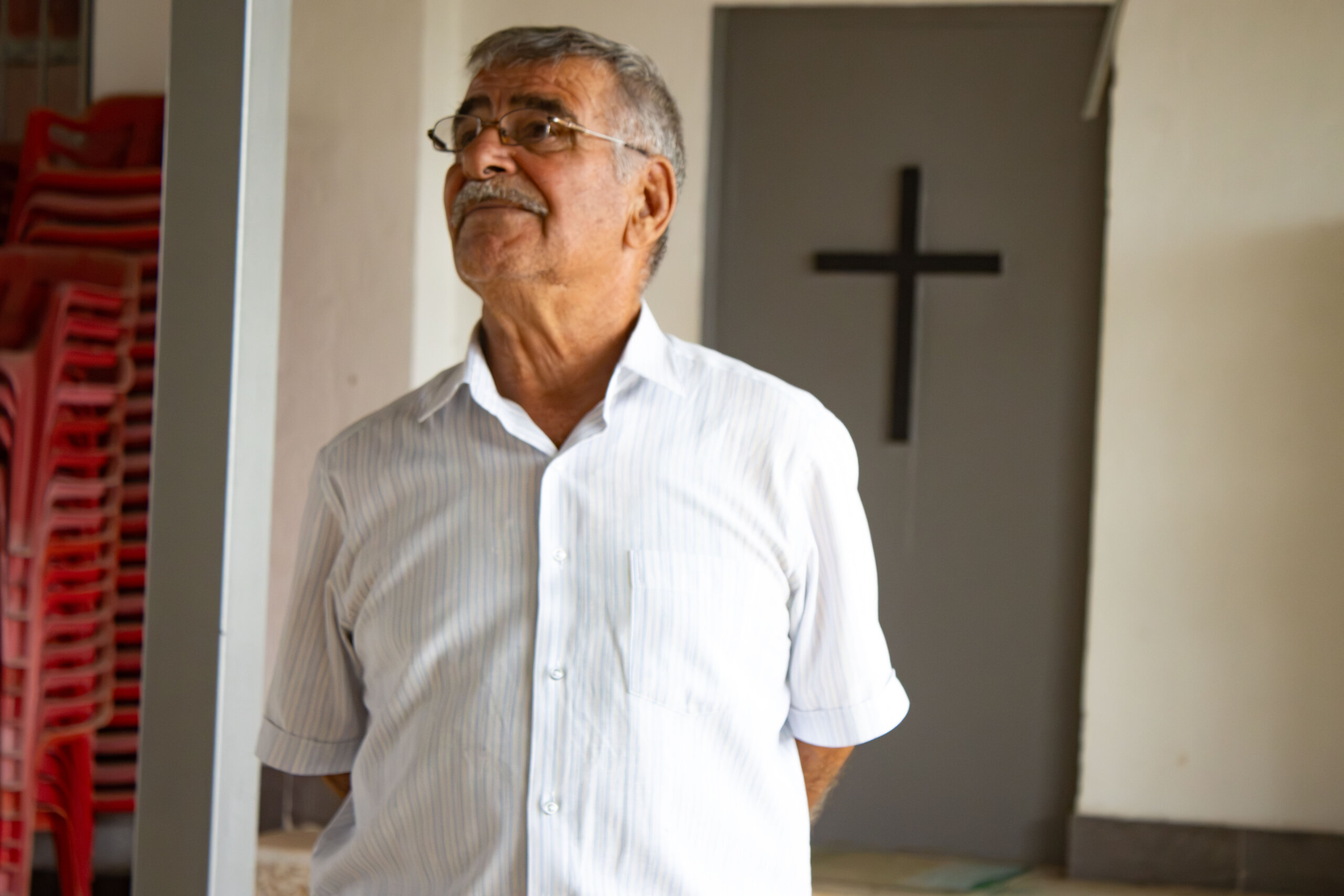
We meet Youssef, who now lives in Duhok but comes back to his village regularly. “This is my village, I can’t leave it. But we can’t move back without water. To come here, we have to fill our own tanks several times a week. It’s not sustainable. I had already left Baghdad in 2009 because of Al-Qaeda. I will not leave my land a second time. When war isn’t driving you out, its consequences stop you from coming back.”

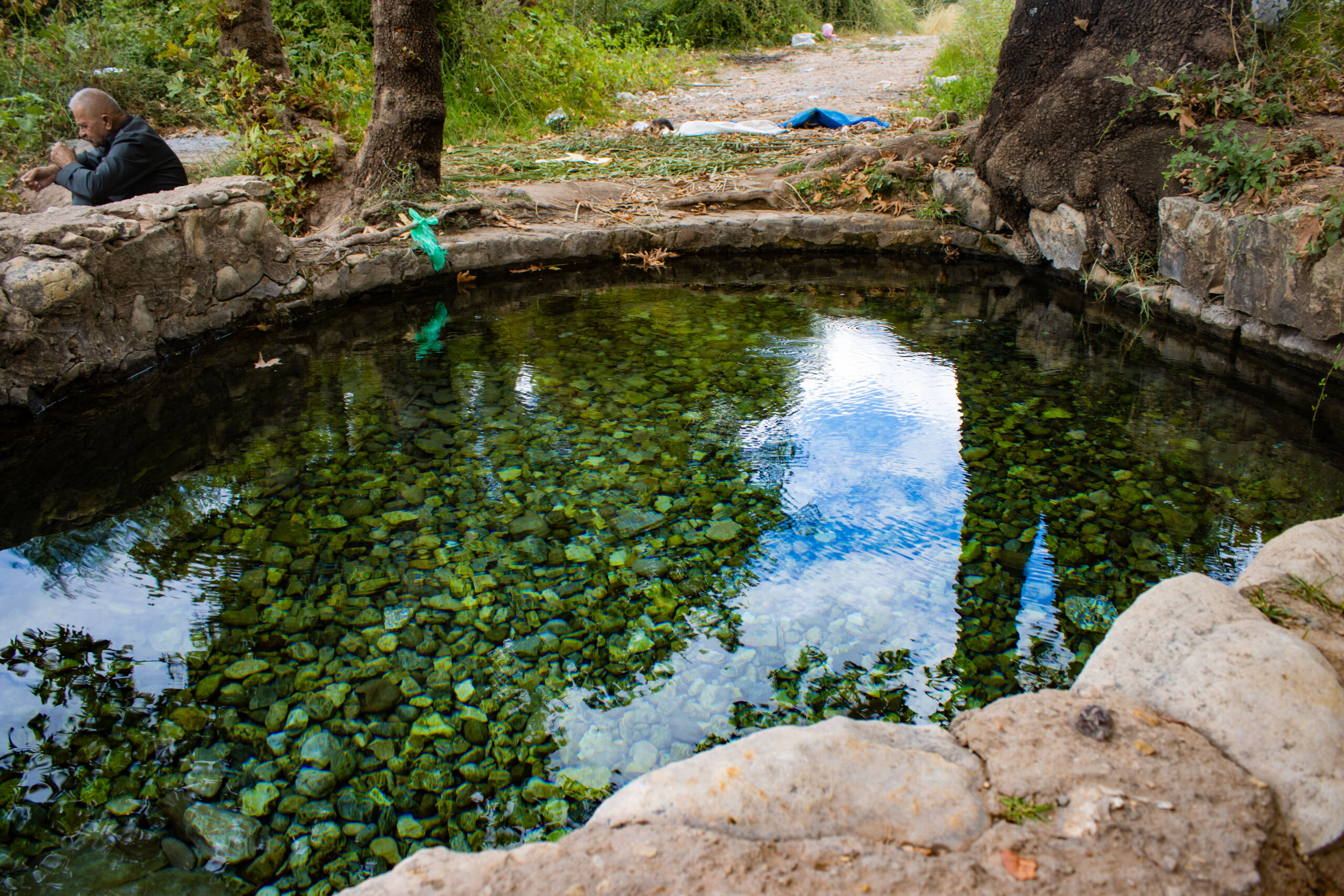
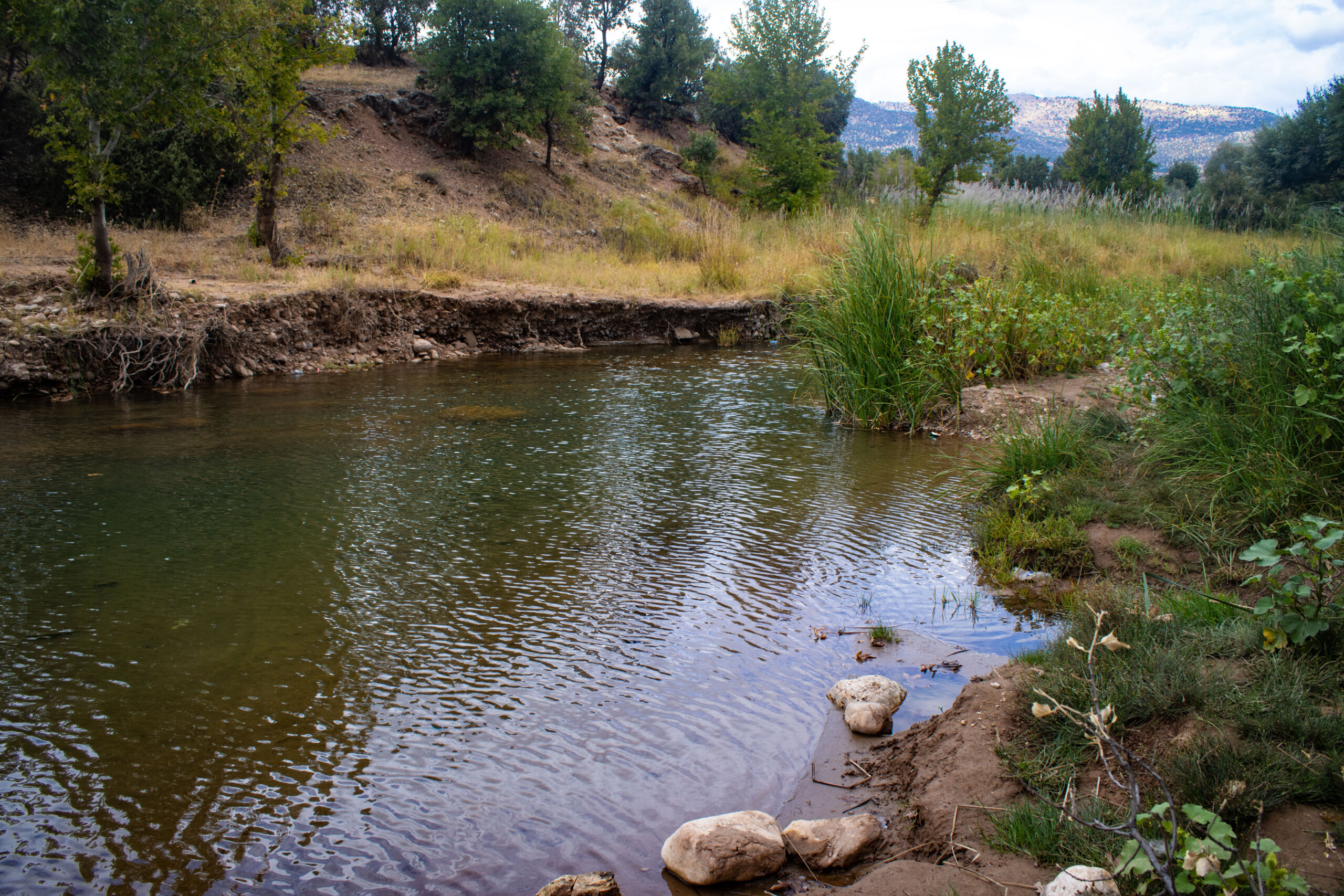
To make this return possible, SOS Chrétiens d’Orient wants to build a new system that will collect water from springs below the village and pump it up to Miska through several reservoirs. Two small neighboring villages will also benefit from the installation.”

Syrie
SYRIA

Renovation of the Courtyard of the Melkite Greek Catholic Church in Aleppo

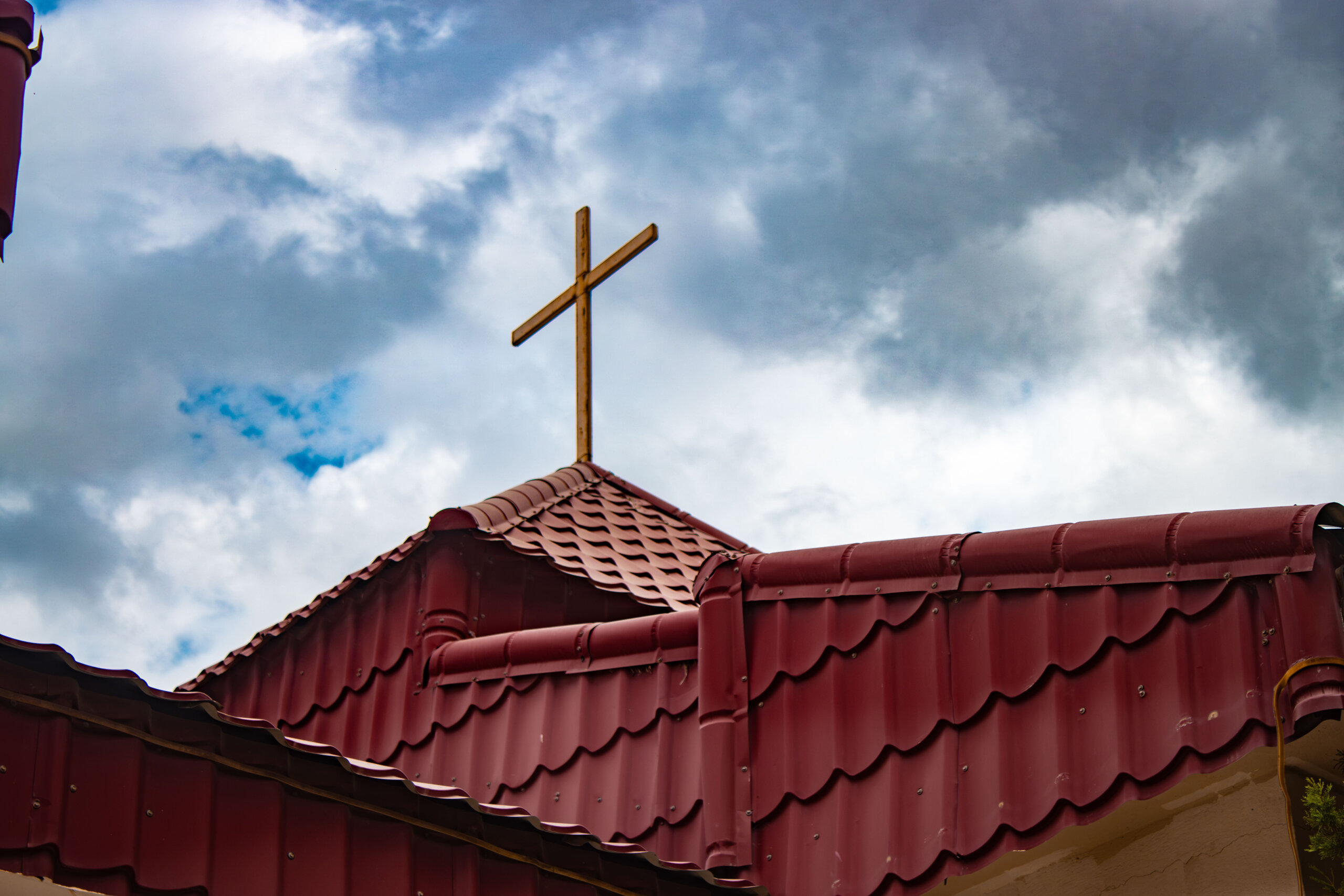
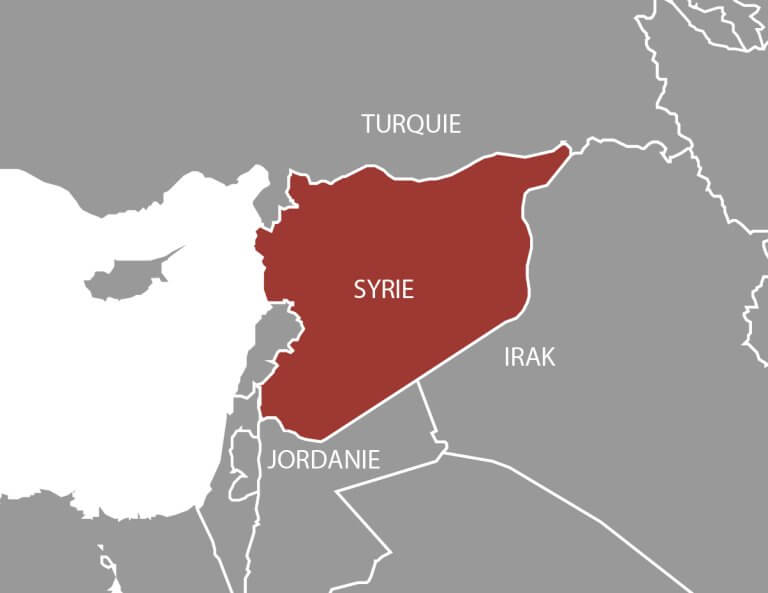
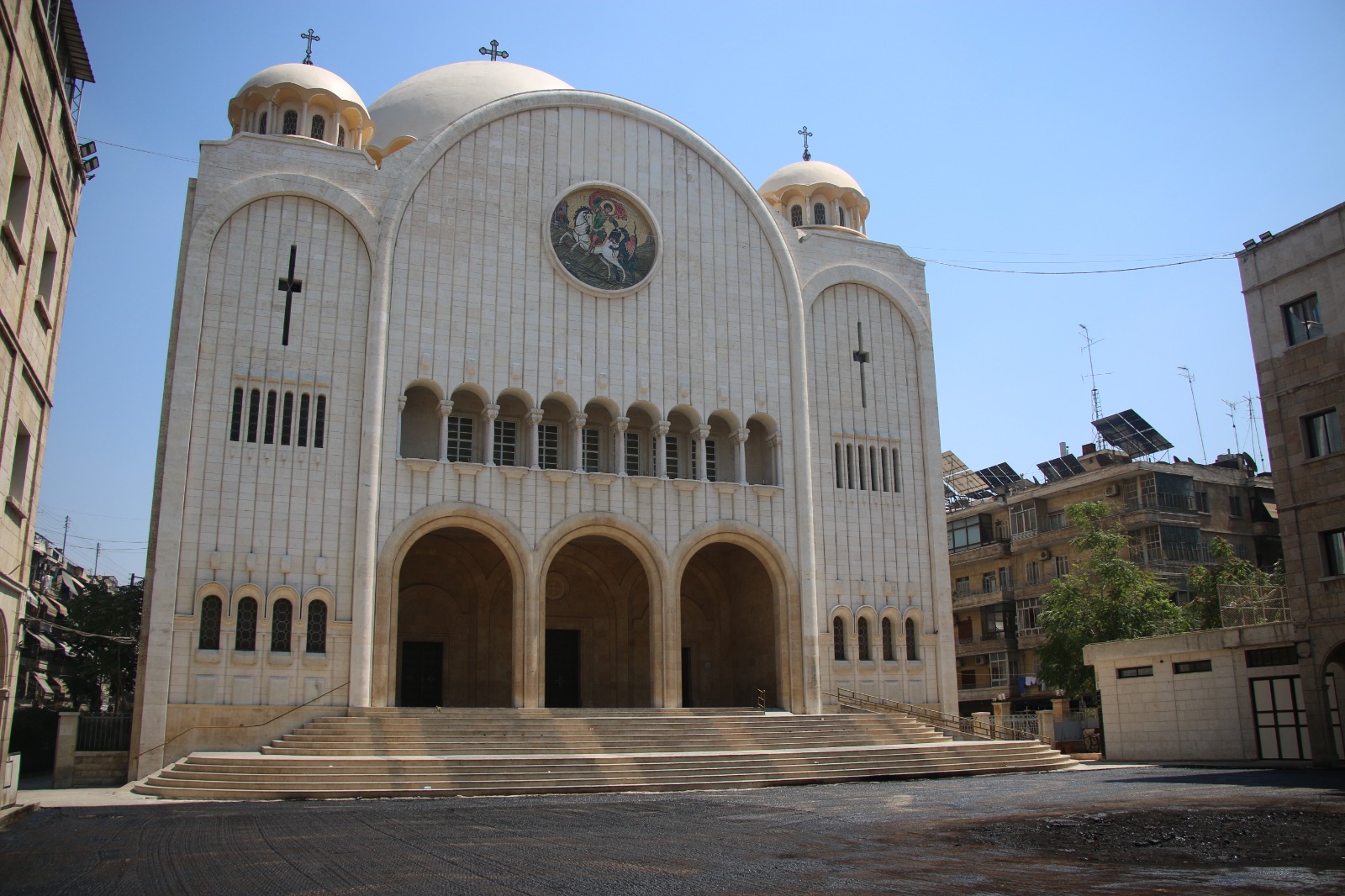
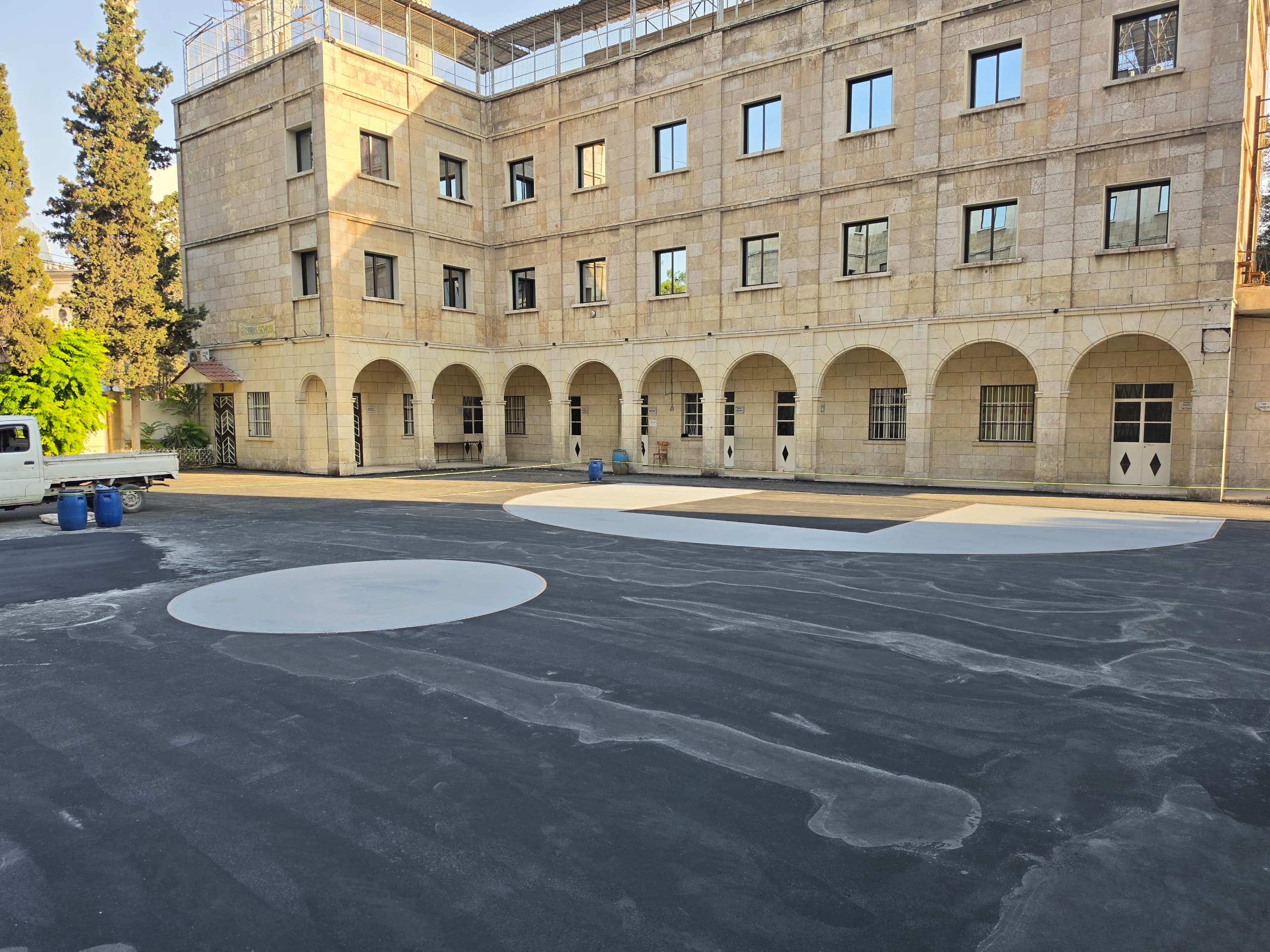
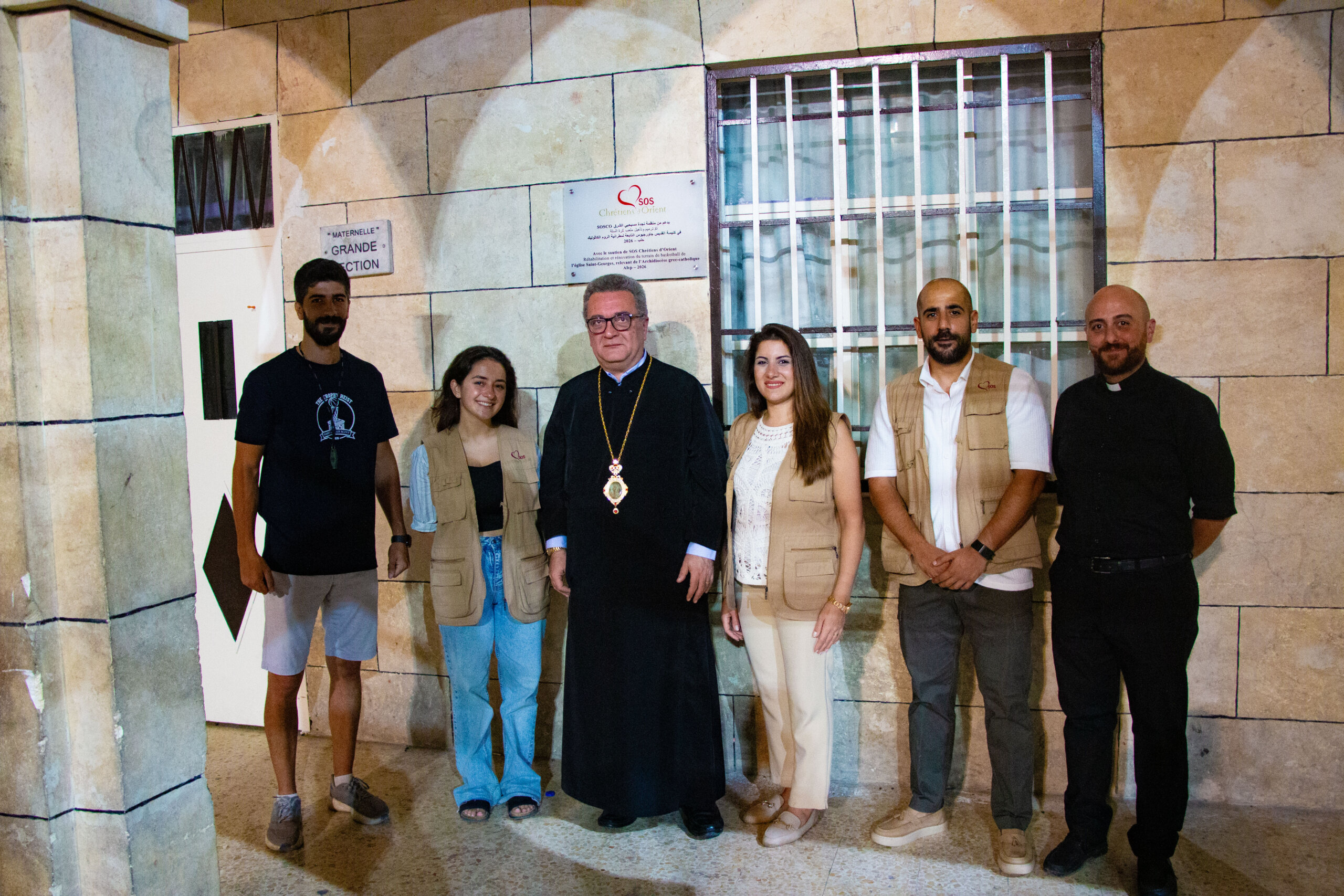
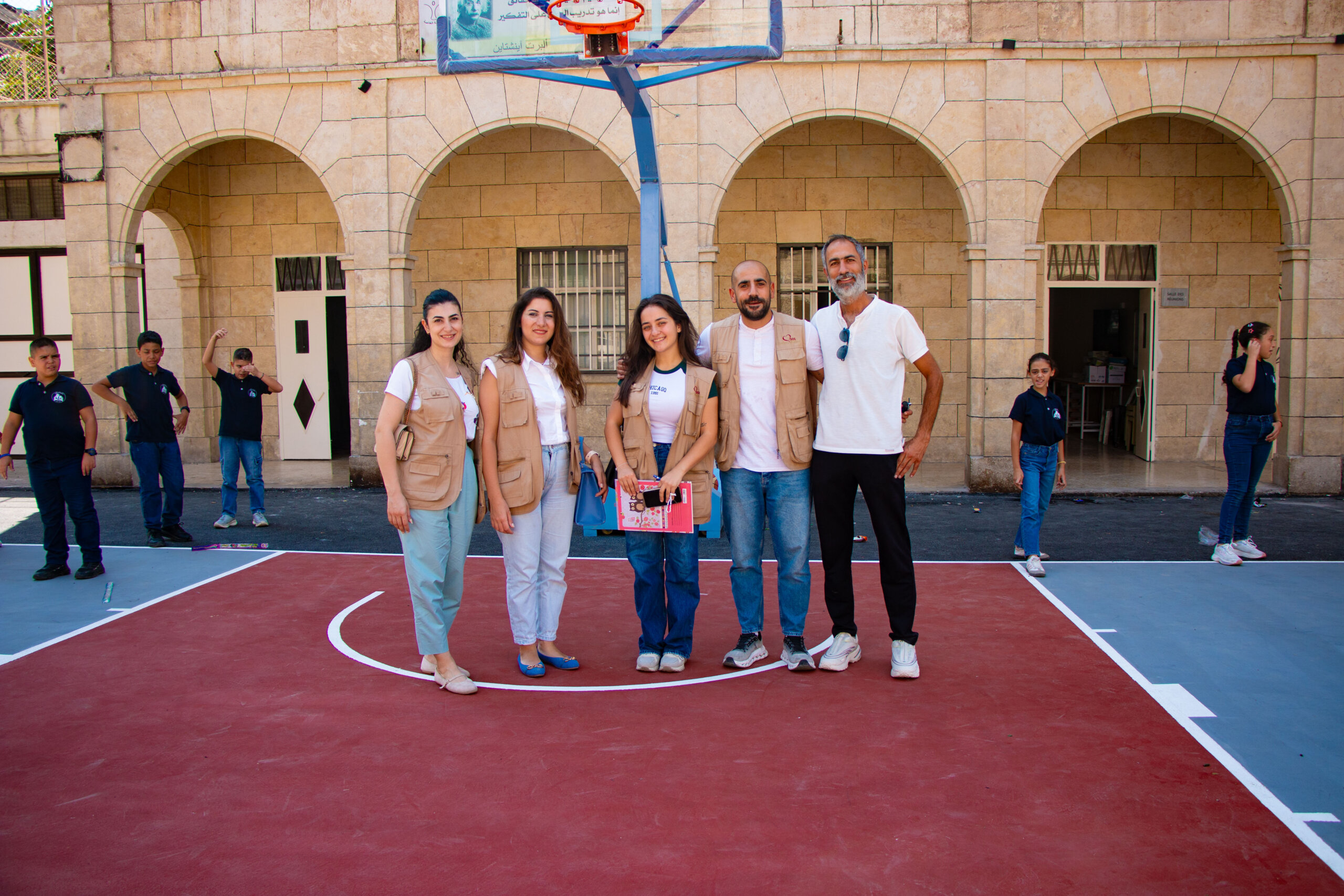
In Aleppo, SOS Chrétiens d’Orient has renovated the courtyard of Saint George’s Church, which belongs to the Greek Melkite Catholic archdiocese. Located in the Azizieh neighborhood, the courtyard is used every day by the school’s students, the parish youth, scouts and Christian fraternities. The project benefits are about 5,000 people.

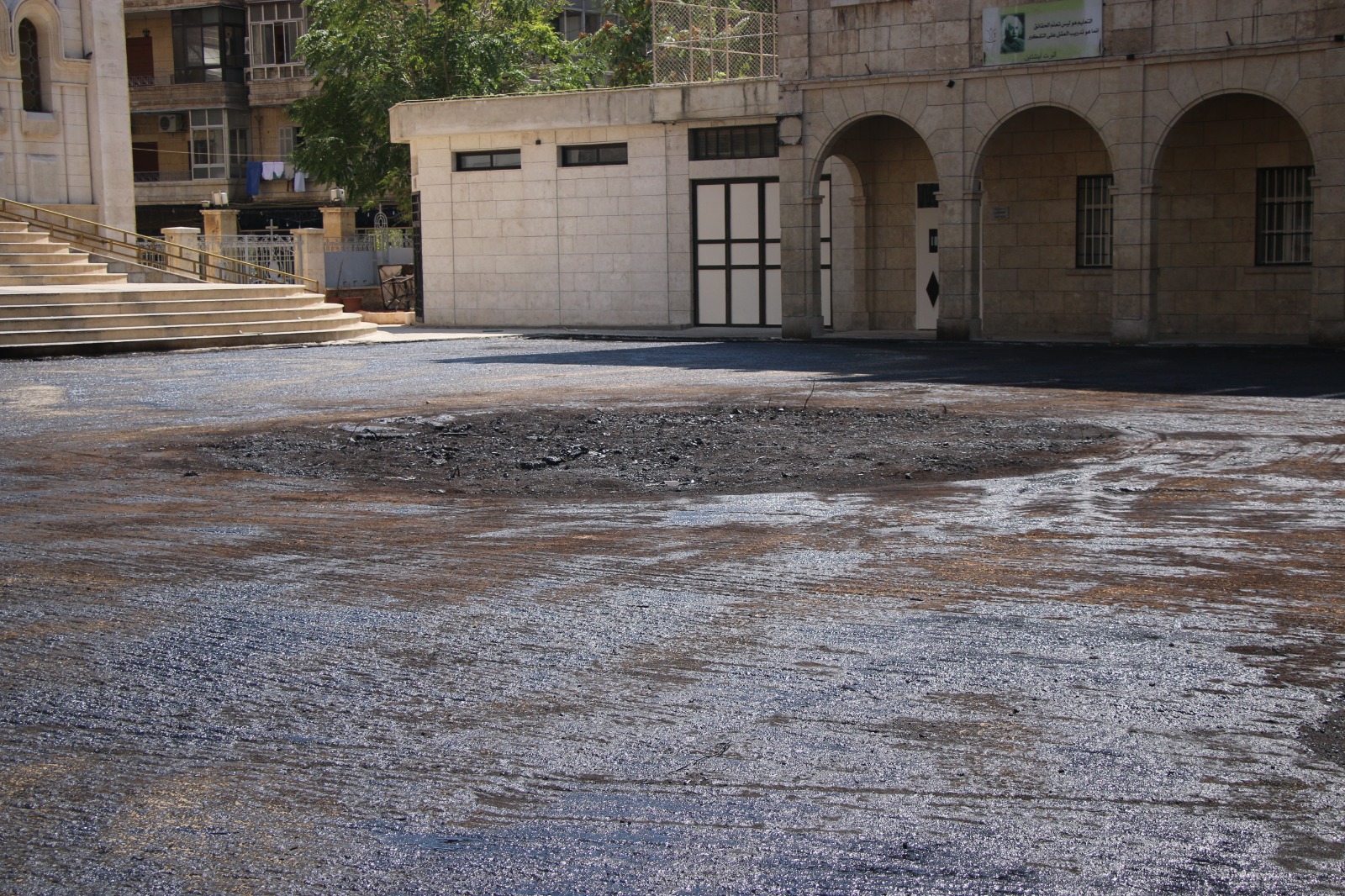
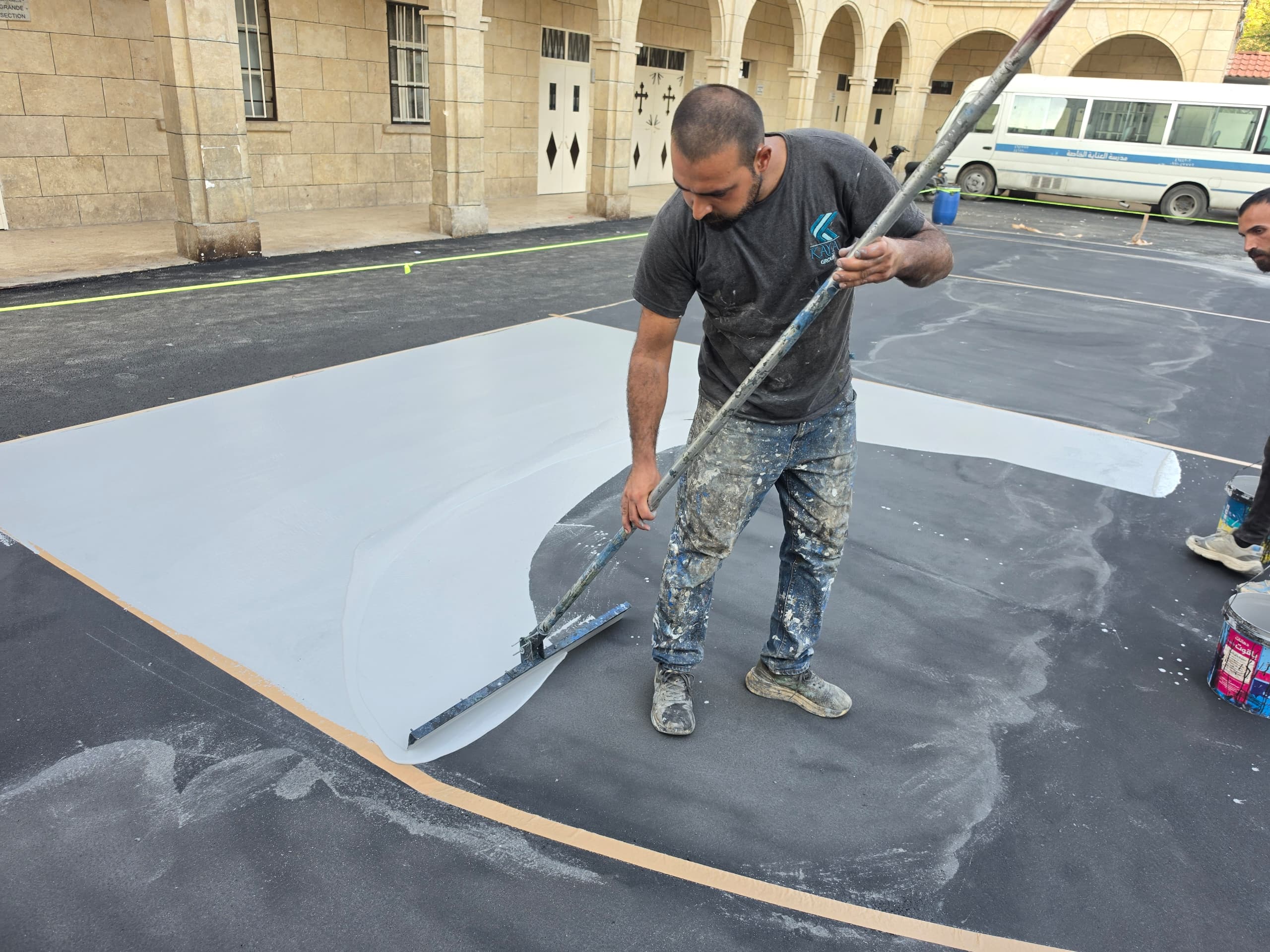
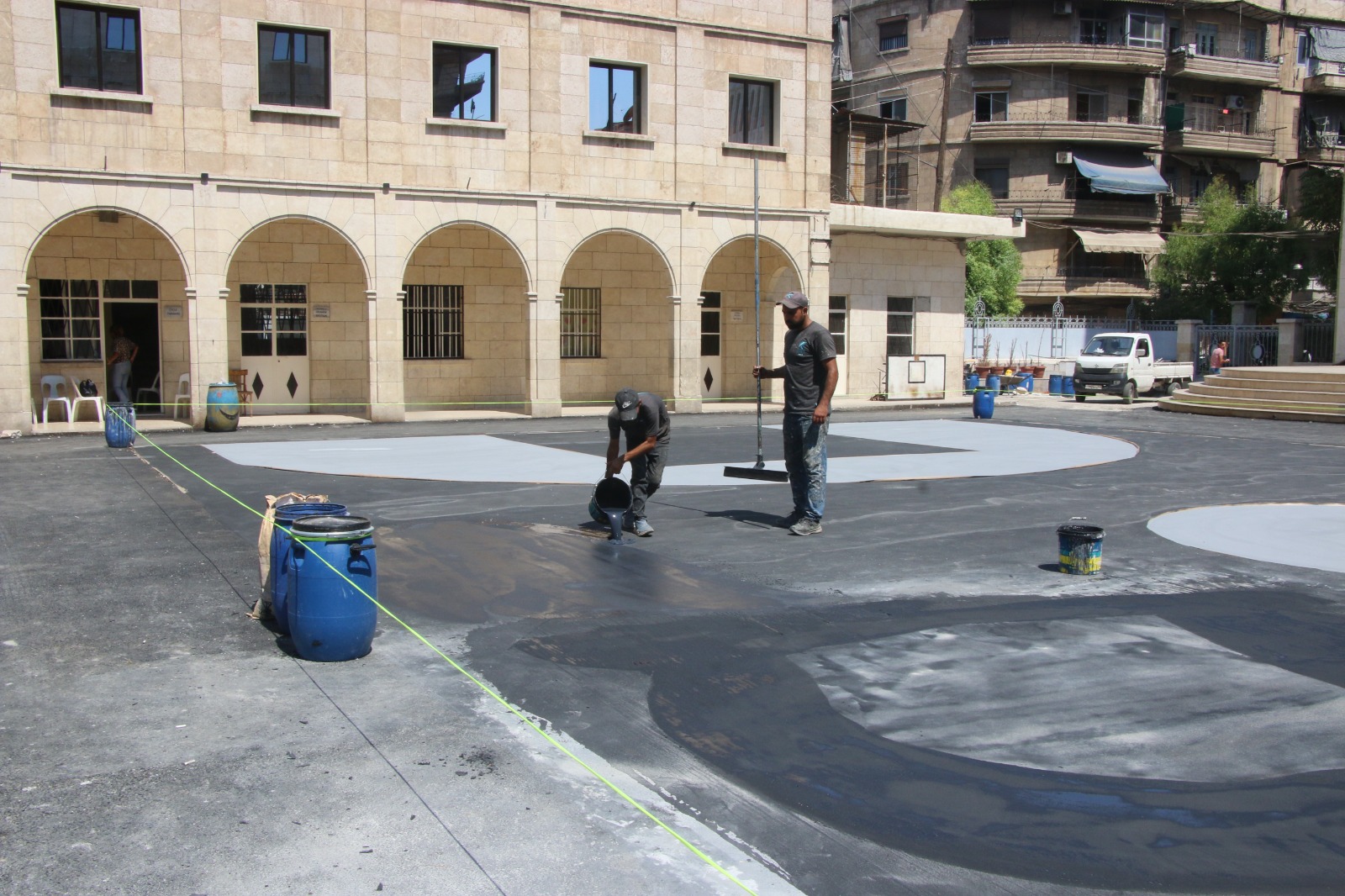
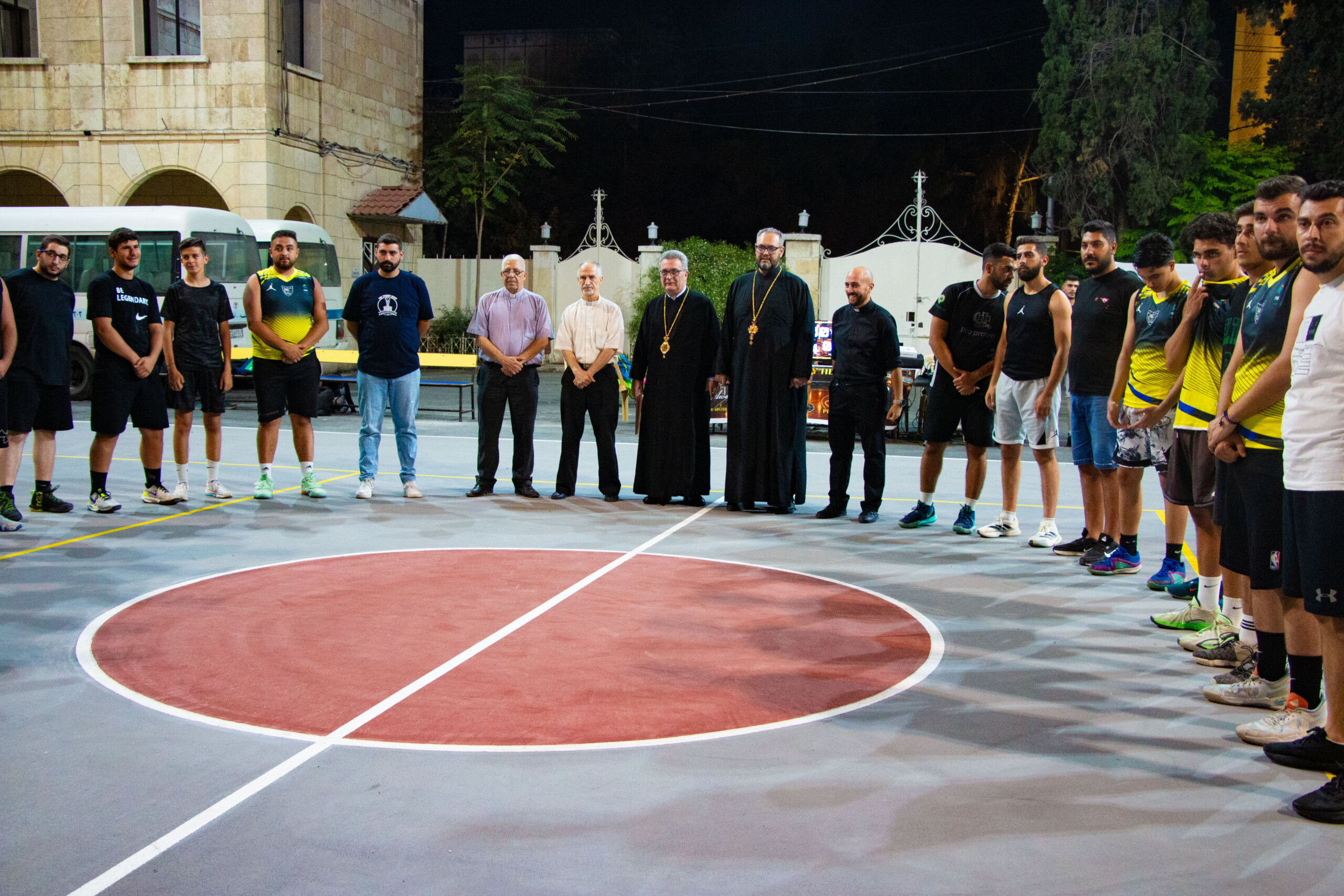
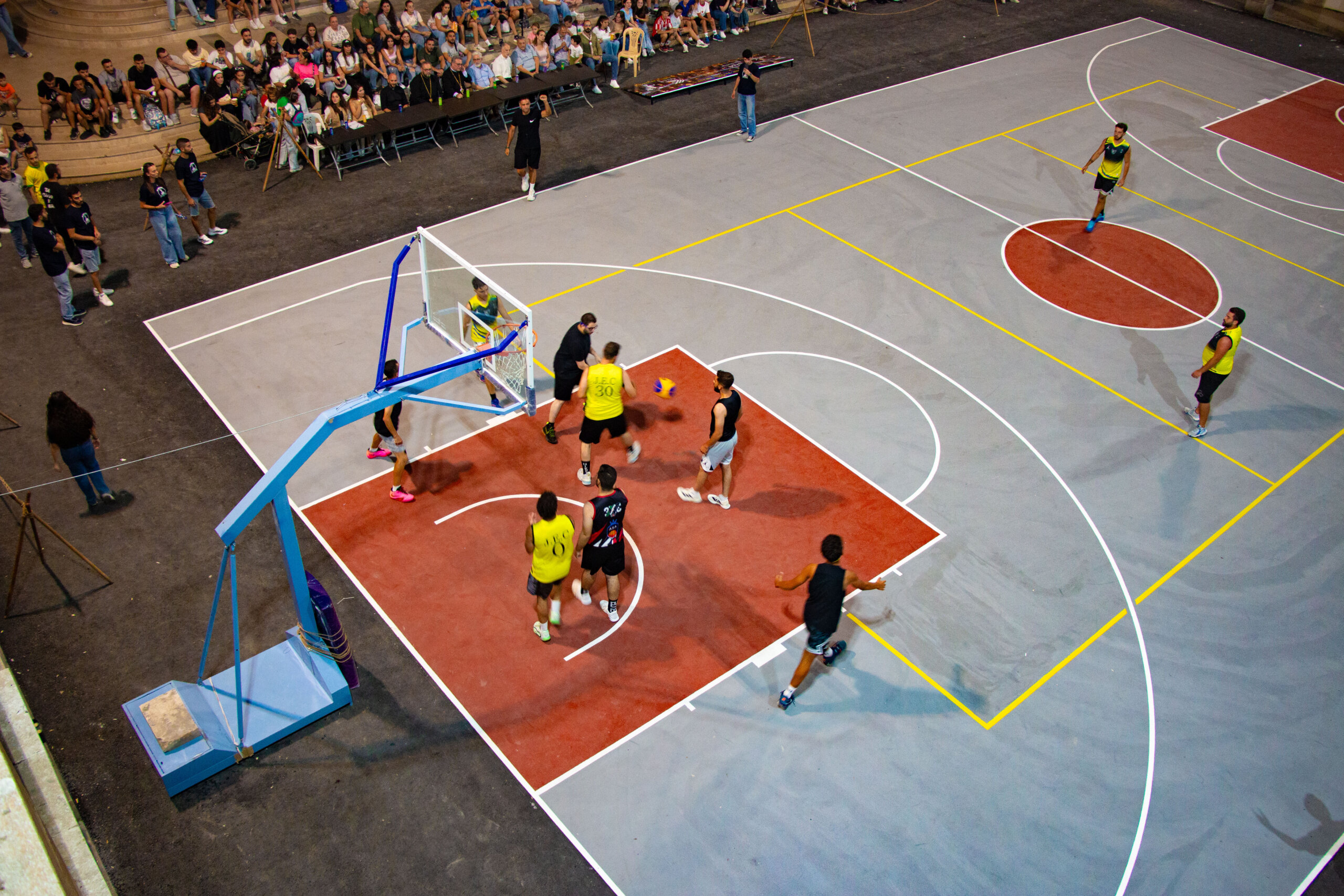
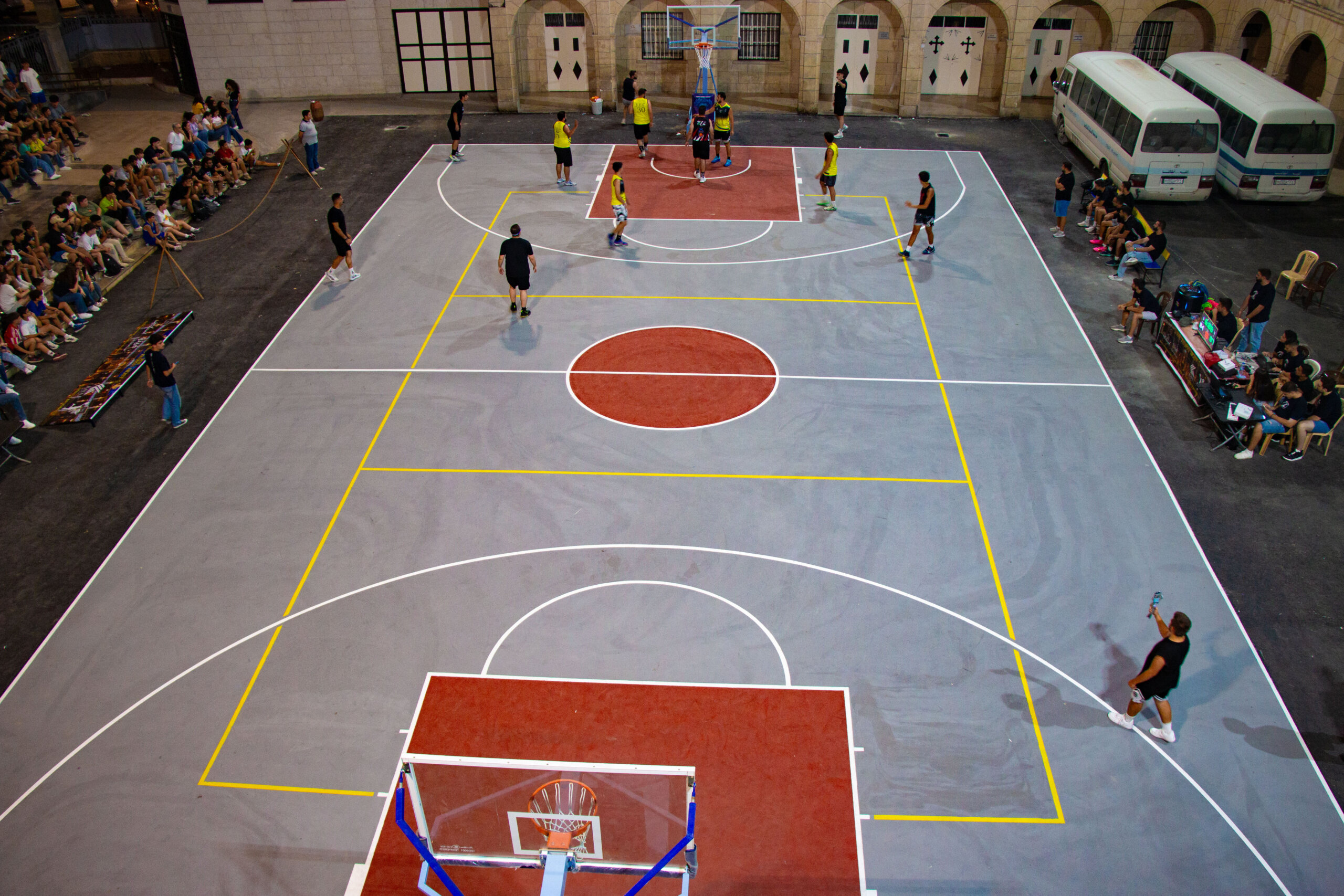
The work included renovating the whole surface of the courtyard and turning part of it into a basketball court. The old surface was removed before a new layer of asphalt was laid. On the sports area, several acrylic coating and protective layers were then applied. Two basketball hoops were also installed.

The aim was to give children and young people a space suited to sport, with a safer surface that reduces the risk of falls and injuries. The court is used by the school’s students in the morning, then by parishioners and young people in the afternoon. It will also allow basketball games to be organized for Christian fraternities and scout groups.

LIBAN

Before the First Rains, Volunteers and Novices Harvest Sumac

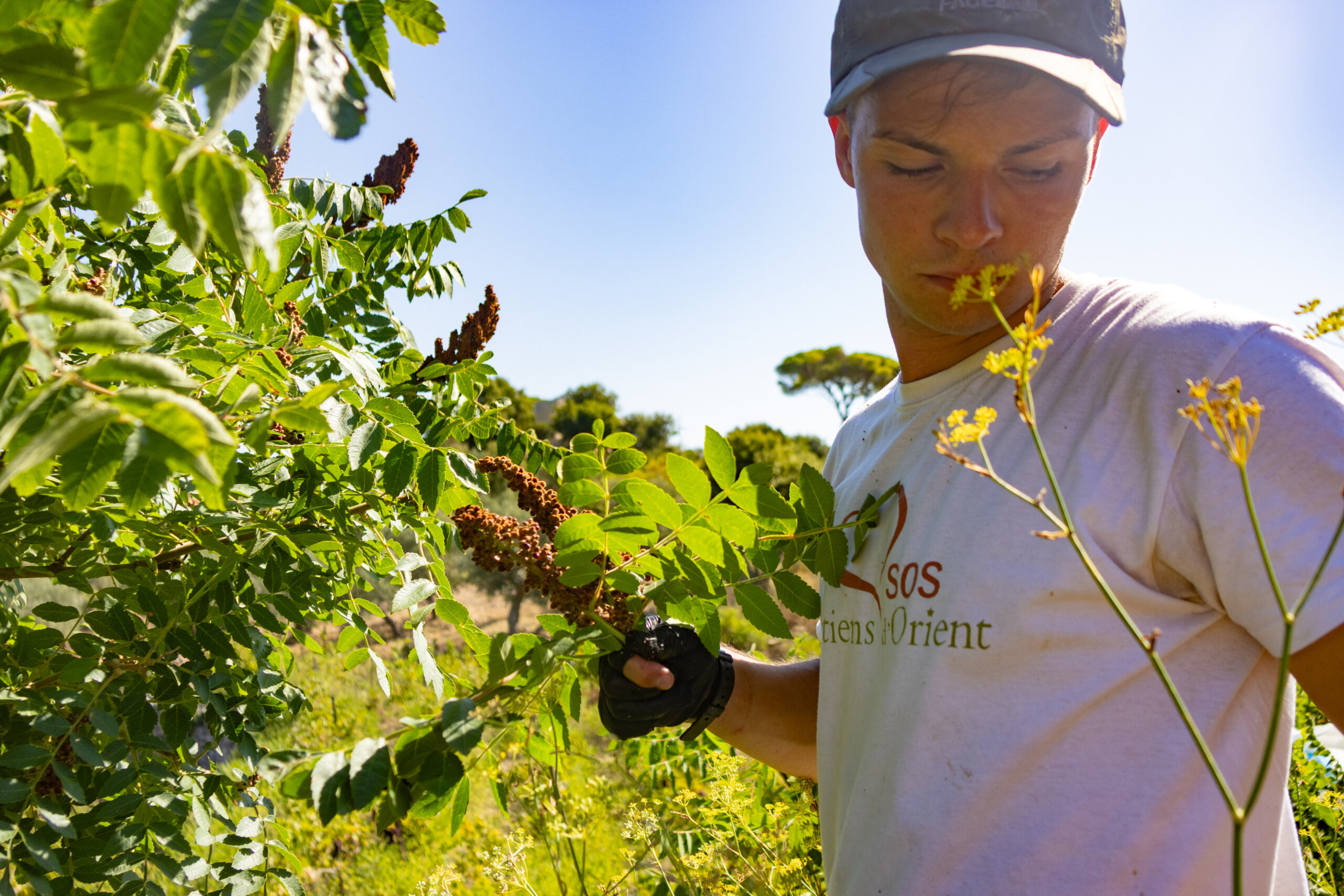
At the Saint Nimatullah Hardini Monastery, where Saint Nimatullah Hardini, the teacher of Saint Charbel, and Blessed Estephan, a monk famous for miraculous healings, are laid to rest, volunteers join the novices in harvesting sumac, the spice used in fattoush, a traditional Lebanese salad.

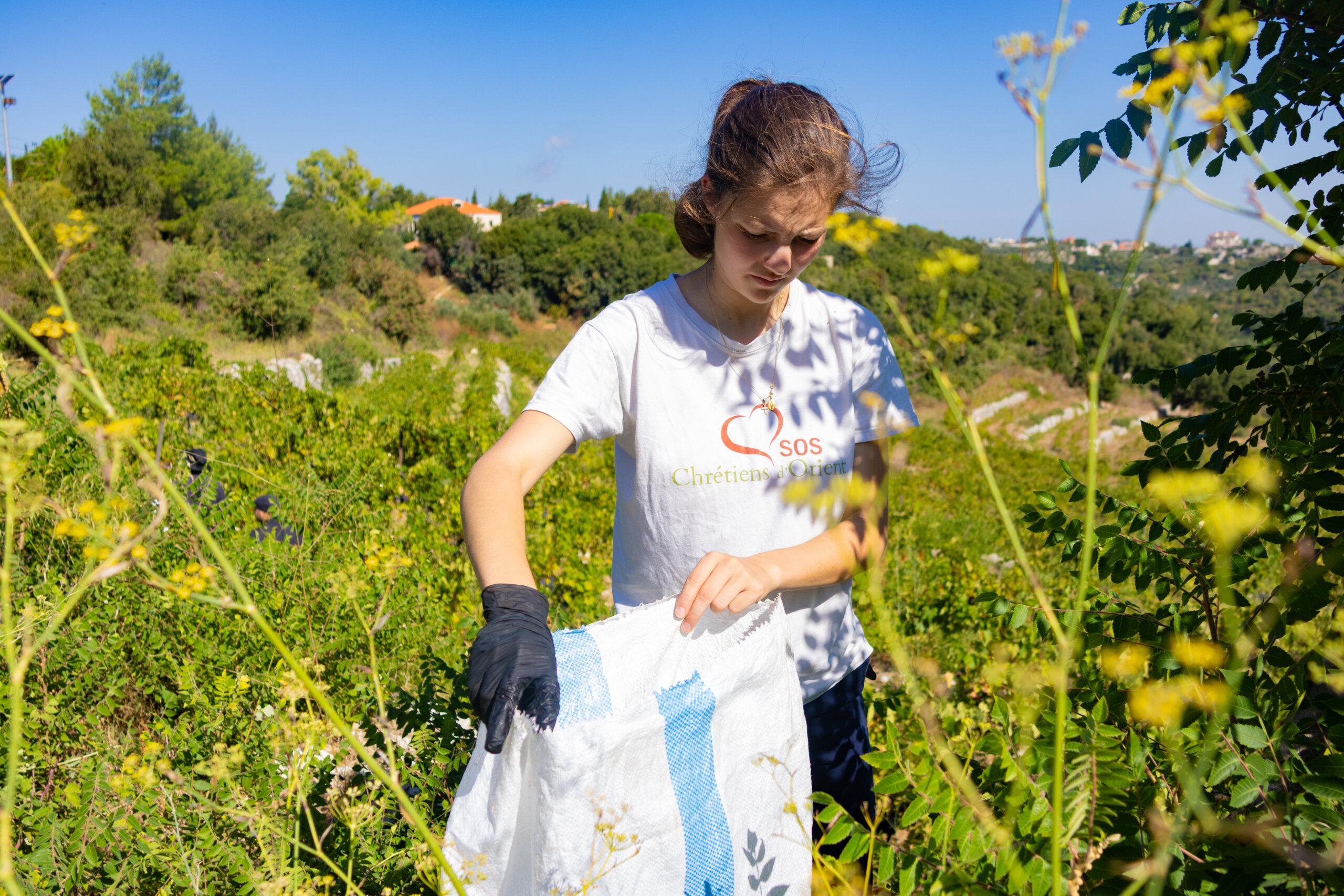
“The wind hits our faces as we rise above the sea of clouds. Ahead of us, perched on a ridge, the monastery finally appears. The novices and their superior, Father Abdallah, are waiting for us in the courtyard. Bags and gloves are already laid out at their feet: today, we are going to work in the fields.

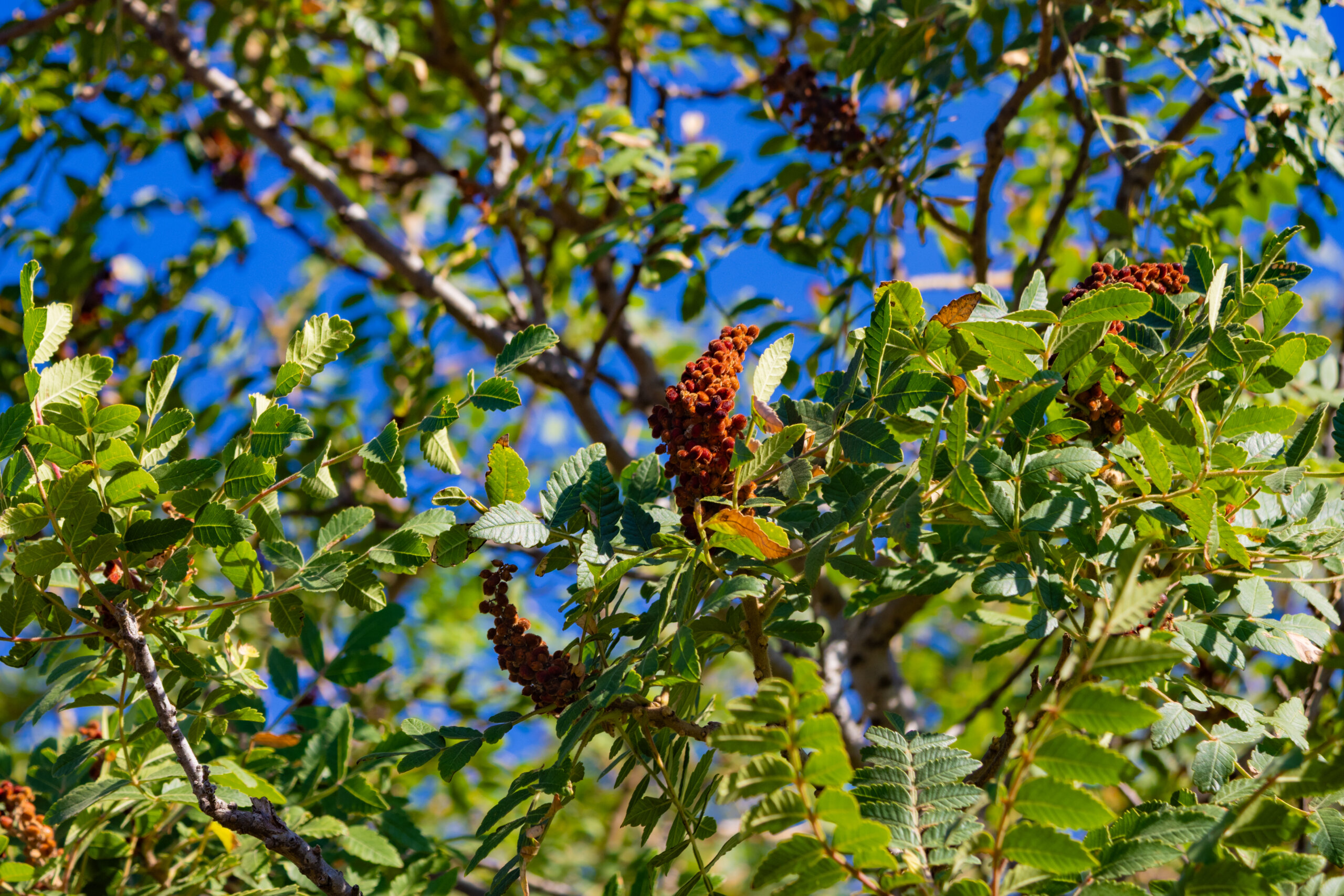
“Do you know ‘semmen’? In French, I think you call it sumac,” the father asks us after the welcoming handshakes. “We are going to pick it and dry it before the first rains of September arrive.”

A few minutes’ walk brings us to the first orchard. A huge valley stretches out in front of us. On either side, vines grow alongside sumac bushes heavy with purple clusters. Behind us stands an old hamlet, now abandoned. It was once home to the Maronite patriarch, and now only the orchards farmed by the monks remain around its old buildings.

We move steadily from bush to bush. Little by little, the branches lose their purple color while our bags get heavier.

When the first field is done, we move on to the next. This time, the sumac grows not among the vines but between the olive trees. One bag fills up, then two, three, and soon four. Between pickings, the father hands us a few grapes or figs picked straight from the fields. A quick snack before we get back to work.

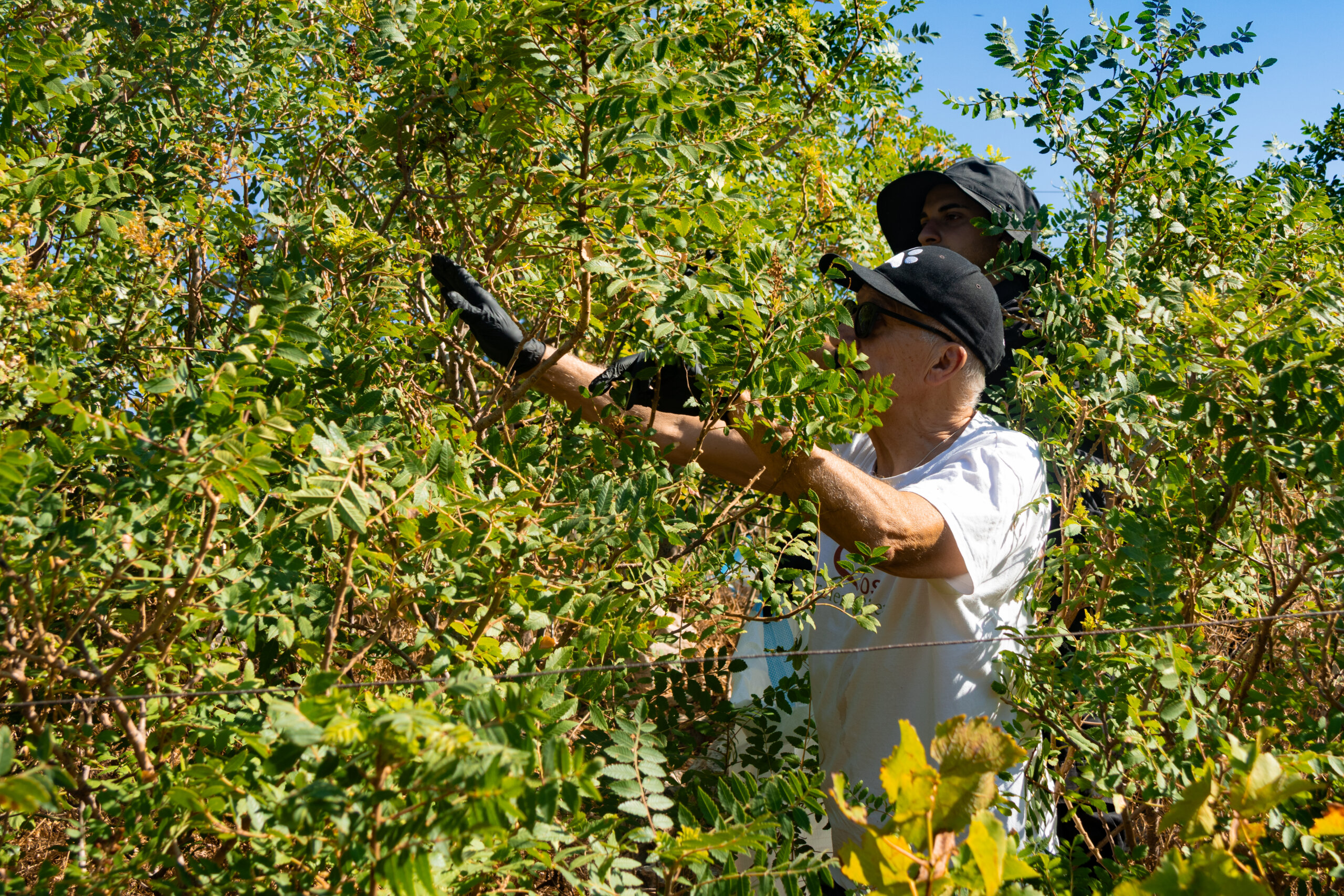
Soon only one orchard is left, the one closest to the monastery. Here, the bushes are older and larger. The branches sag under the clusters, but the finest ones are also the hardest to reach. We have to improvise: perched on the shoulders of Augustin or Solenne, Marguerite and I try to grab the highest fruit. Up there, the clusters are so plentiful that they sometimes slip from our hands. A few more minutes and the last plot is harvested.

Just in time for the office of Sext. “Al majdou lil…”, the novices begin to sing. Week after week, the melodies of the office become a familiar ritual on each of our visits. In an instant, the sounds of the fields fade away. In the silence of the monastery, all we hear are the voices of the novices, their final responses and the sound of the bell.

It is noon. After prayer comes the meal, shared with the monks. Then it is already time to go back to work. Picking the sumac is only the first step: now the clusters have to be prepared so they can dry over the following days.

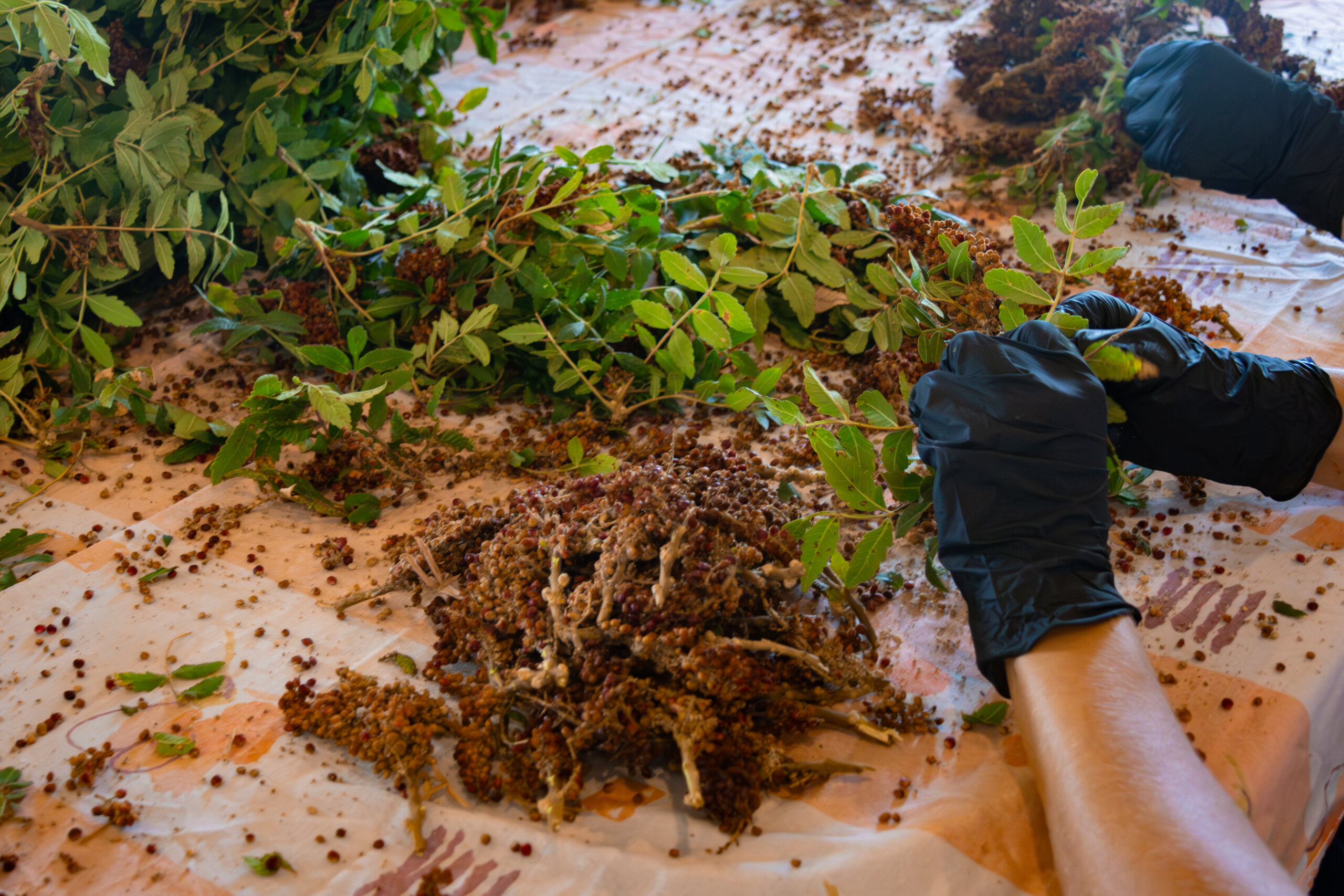
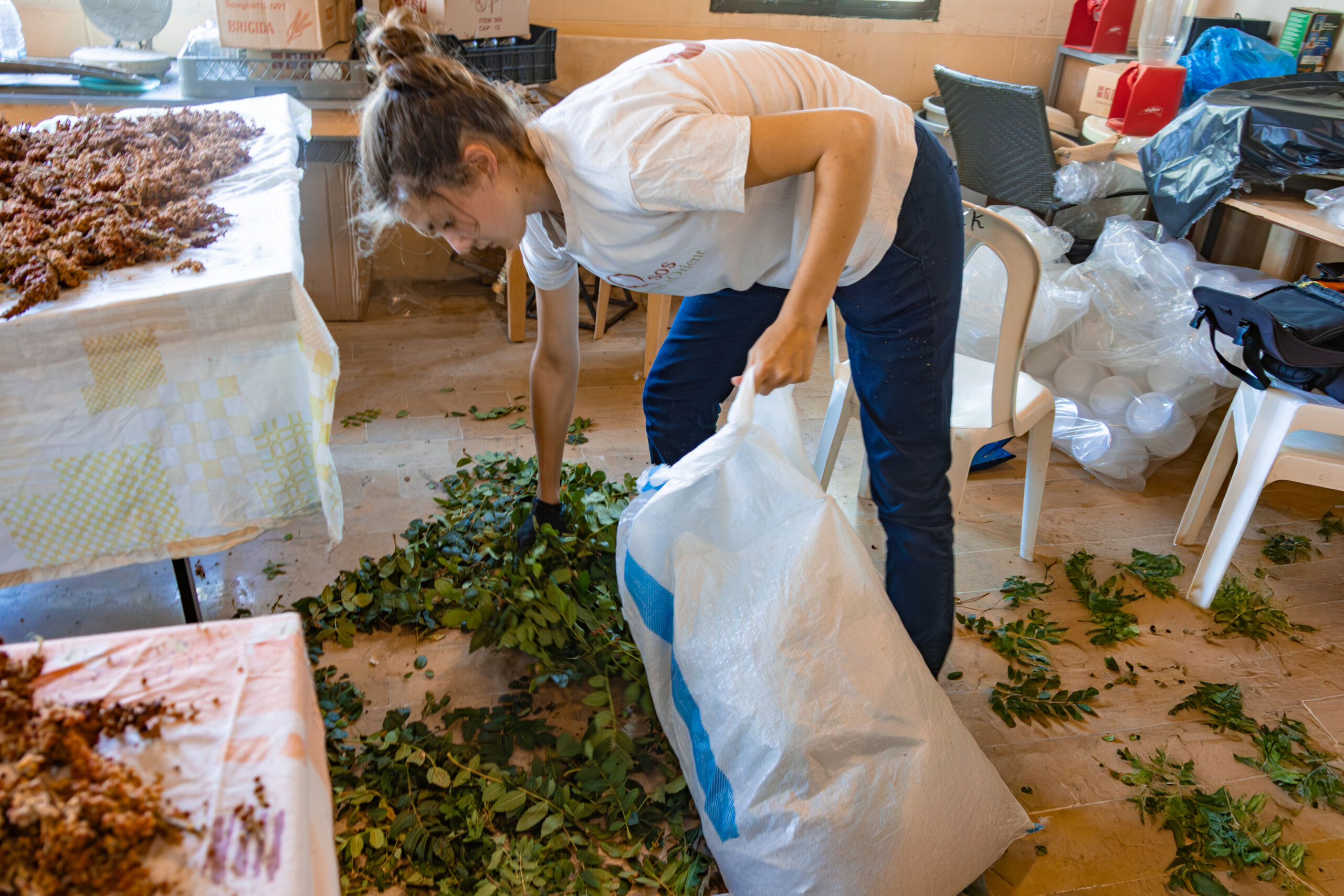
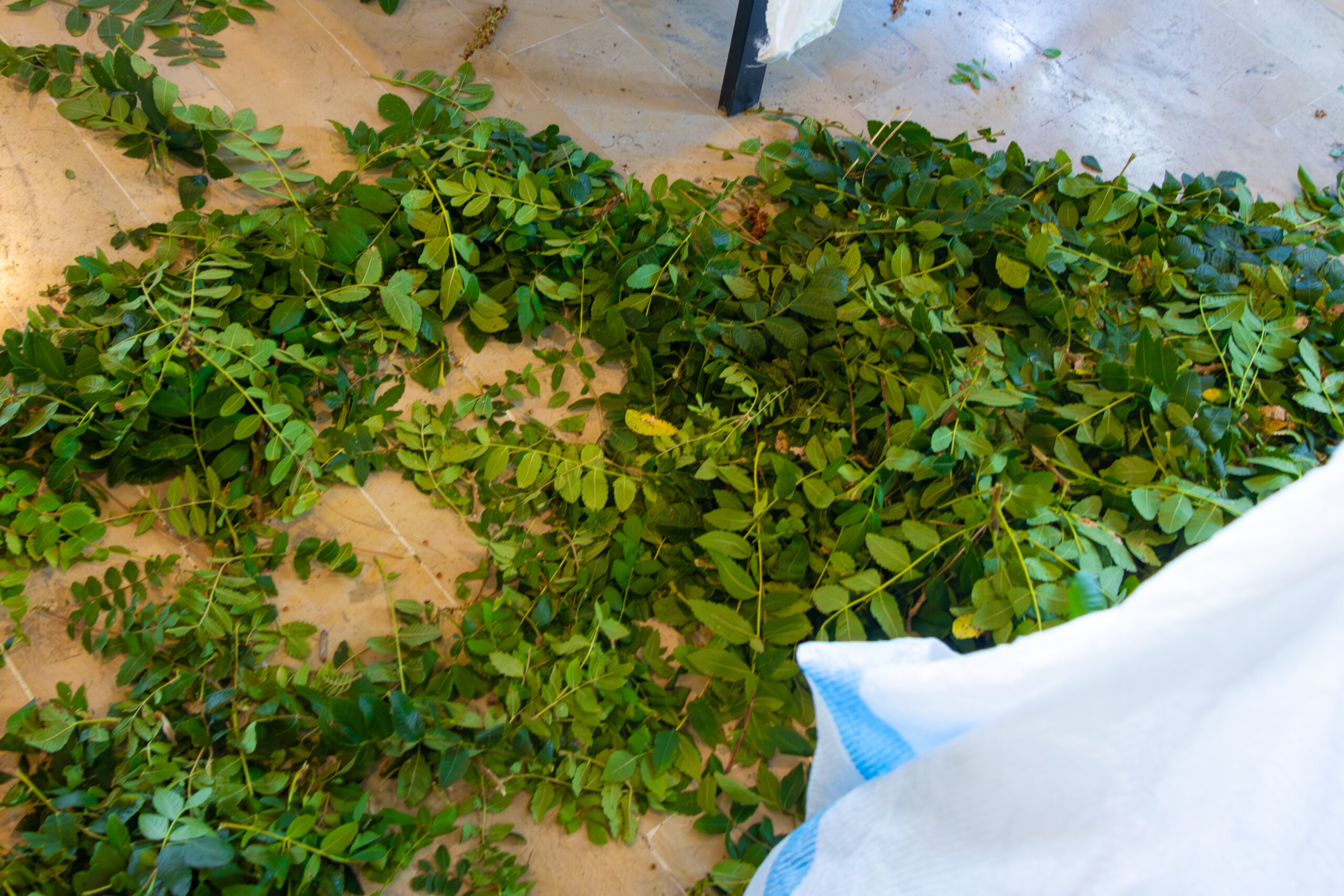
We carry our bags back to the monastery and empty them onto large tables covered with sheets. Before drying, each cluster has to be cleared of its leaves to protect the fruit as much as possible. Everyone takes a chair and the work begins.

Very soon, the strong, tangy scent of sumac surrounds us. Our movements become almost automatic: one cluster, a few leaves removed, then another. On one side, the fruit piles up; on the other, the heaps of leaves grow.

The afternoon stretches on at the patient pace of stripping leaves. Conversation keeps us company as the tables slowly fill with the dark red harvest that must now dry.
Then comes the last cluster. We look at the tables, now completely covered in sumac, and at the empty bags at our feet. A few hours earlier, it was all still on the bushes.

The harvest is finished in time, before the first rains of September. A whole day spent alongside the monks, taking a hands-on part in the work that marks the end of their summer.”